Chainlink says it has launched TWAP mainnet feeds for developers, adding another data option for onchain apps that need prices they can actually trust.
- Chainlink has introduced TWAP mainnet feeds for developers.
- TWAP means Time-Weighted Average Price.
- Mainnet is the live production network, not a test environment.
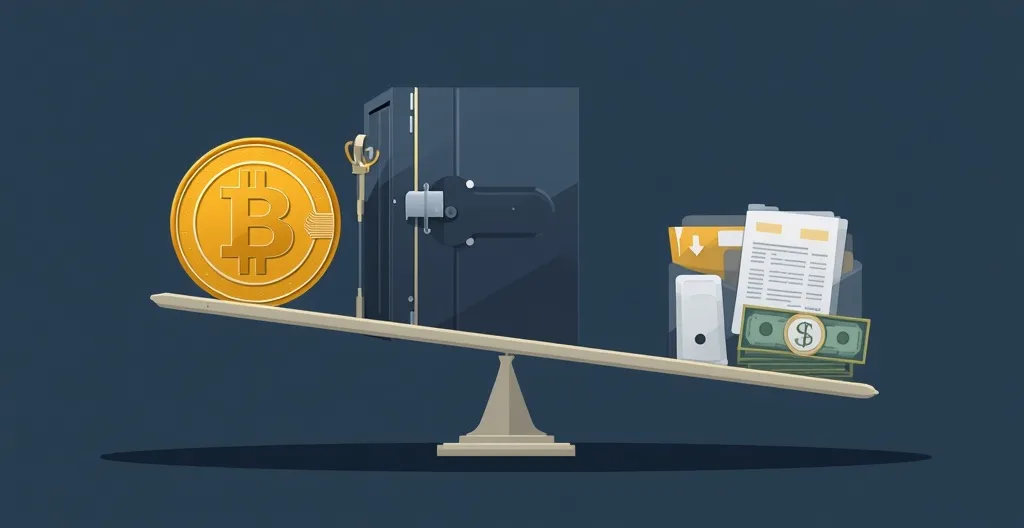
- The tradeoff is simple: more smoothing can mean less manipulation, but also slower pricing.
That matters because oracle data is the plumbing under DeFi. If the plumbing is shaky, the whole system starts acting like a cheap faucet with a wrench missing. Lending markets, collateral systems, and liquidation engines all depend on price feeds that are hard to game and fast enough to be useful.
Chainlink is one of the best-known oracle networks in crypto. Its job is to bring external data onchain so smart contracts can use it. Without that bridge, a blockchain is just a very expensive spreadsheet that can’t see the outside world.
TWAP feeds, or Time-Weighted Average Price feeds, smooth prices over a set time window instead of relying on a single spot quote. In practice, that can help reduce the impact of short-lived spikes, bad prints, and some forms of manipulation.
That is the appeal. The catch is pretty obvious once you think about it. The longer the averaging window, the harder it can be to move the feed with a quick shove, but the slower it reacts when the market really is moving. In crypto, where prices can lurch like they’ve had too much coffee, stale data can be just as dangerous as noisy data.
For developers, that tradeoff is the whole point. A protocol that only needs a broad reference price may prefer smoothing. A protocol that handles fast liquidations or thinly collateralized positions may need fresher data or risk getting blindsided. If a lending market values collateral too slowly, it can leave bad debt sitting there like a rotten apple in a fruit bowl. If it values too quickly from a manipulated spike, honest users get wrecked instead.
That is why TWAP feeds are interesting, but not magical. They are one design choice among several, not a holy relic of oracle engineering. Anyone selling oracle design as if it were solved is either oversimplifying or trying to sell you something.
Chainlink’s broader pitch is that it provides infrastructure for onchain finance, not just a ticker with a logo. Its homepage describes it as “the only all-in-one oracle platform, ” and names adoption across projects and institutions including Swift, Euroclear, Mastercard, Fidelity International, UBS, ANZ, Aave, GMX, and Lido. That is Chainlink’s own framing, and it signals how seriously the company wants to be taken as infrastructure rather than a sidecar to DeFi, as laid out in The Chainlink Platform: Unlock Onchain Finance at Scale.
Still, the TWAP launch should be read on its own terms. It does not automatically mean every protocol should switch to TWAP feeds, and it does not erase the weaknesses that come with averaged pricing. TWAP can be useful in niche cases, especially where smoothing matters more than instant reaction. But in fast-moving markets, lag is not a minor inconvenience. It can become the thing that breaks the protocol.
There is also an important distinction here between TWAP-style feeds and other oracle designs. Chainlink’s standard price feeds have been discussed in comparative material as using different mechanics than TWAP, with a focus on responsive updates rather than simple time averaging, including TWAP Oracles Vs. Chainlink Price Feeds: A Comparative and broader coverage in Chainlink: Oracles, CCIP, and Cross-Chain Infrastructure. That matters because not every price feed is built for the same job. A feed that is good for one protocol can be the wrong tool for another.
So the real significance of this launch is narrower, and more useful, than a hype cycle headline would suggest. Chainlink appears to be broadening its oracle toolkit for builders who want smoothed onchain pricing on live networks. That is good infrastructure work. Boring, even. And boring is usually what you want when the rest of crypto is trying its hardest to set itself on fire.
What is still unclear from the available information is the exact chain support, rollout scope, technical implementation, and whether these feeds are a fresh product or an expansion of an existing one. Those details matter. Oracle products are won or lost in the fine print, not the press-release gloss.
Key questions and takeaways
-
What did Chainlink launch?
Chainlink launched TWAP mainnet feeds for developers, meaning live-network price feeds based on Time-Weighted Average Price. -
What is TWAP?
TWAP stands for Time-Weighted Average Price. It averages prices over time to reduce noise and make short-term manipulation harder. -
Why does this matter for DeFi?
Smart contracts use oracle prices for lending, collateral, and liquidations. Bad pricing can cause bad debt, unfair liquidations, and protocol losses. -
What is the tradeoff with TWAP?
Smoother pricing can be harder to manipulate, but it can also become stale in fast markets. That is the central compromise. -
Is TWAP always better than spot pricing?
No. TWAP is useful in some cases, but protocols that need very fresh market data may be better off with a different oracle design. -
What is still unknown?
The available information does not confirm which chains support the feeds, how the rollout works, or the exact technical details behind the launch.
For builders, the takeaway is blunt: oracle choice is protocol design. Pick the wrong feed, and the market will eventually teach the lesson the expensive way.
Further reading
A few related pieces worth keeping on the radar: