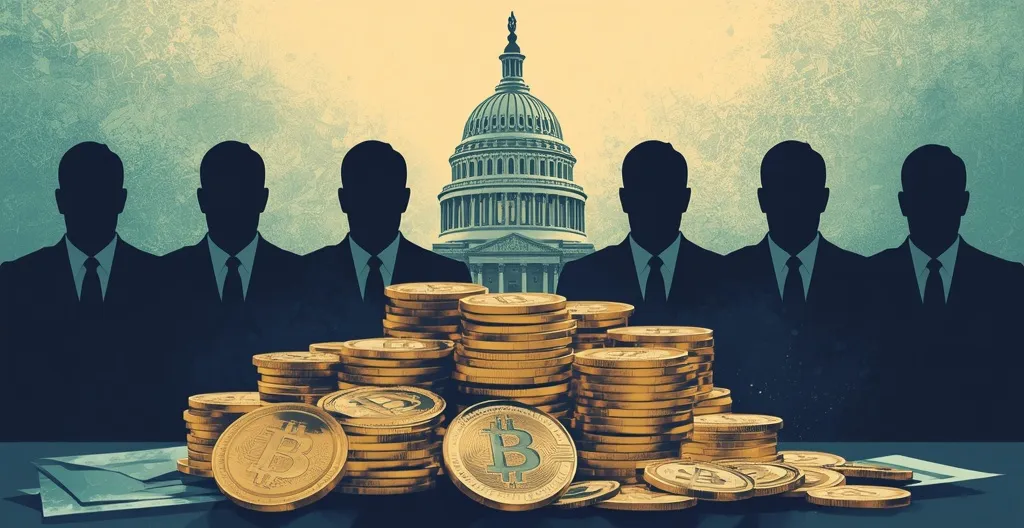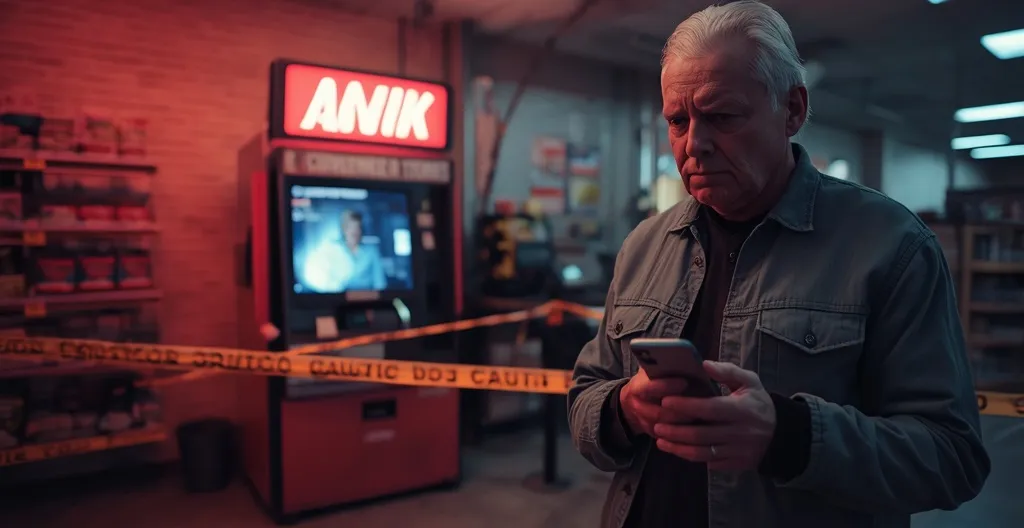
Minnesota has gone from warning bells to a full shutdown on crypto kiosks after state officials tied them to scam losses, especially among older adults.
- Law takes effect Aug. 1
- Kiosks must be offline by Aug. 1
- Machines removed by Dec. 31
- More than 100 complaints, nearly $1 million in losses
Crypto ATMs, also called virtual currency kiosks, are machines that let people buy bitcoin or other cryptocurrency with cash, and sometimes a card. They are not traditional ATMs in the bank sense. They usually do not spit out cash. They take money and send crypto to a wallet, which is exactly why scammers love them. Once the transfer is made, reversing it can be close to impossible. For a basic explainer, see Bitcoin ATM.
According to reporting from MPR News, Minnesota’s Department of Commerce said Minnesotans filed more than 100 complaints from 2023 to 2025 and reported losing nearly $1 million through crypto kiosk scams. That figure covers reported losses tied to these machines, not just one age group, but state officials and advocates say older adults have been hit especially hard. The state’s broader crackdown follows the same logic behind the Attorney General Ellison Releases Cryptocurrency ATM Survey and the December 19, 2025 Press Release showing how quickly these machines became a fraud magnet.
Sara Payne, assistant commissioner of enforcement with the Minnesota Department of Commerce, said crypto ATMs are attractive to scammers because transactions are “so fast, irreversible and largely anonymous.” That is the core problem in one sentence. A fraudster can pressure a victim, rush the decision, and move the money into a wallet the victim will probably never see again.
“So fast, irreversible and largely anonymous.”, Sara Payne, Minnesota Department of Commerce
The scam script is usually ugly and familiar. A caller claims to be from a bank, a government agency, tech support, or even a family member in distress. The victim is told their money is at risk and must be moved immediately. Instead of wiring money or sending a bank transfer, the victim is pushed to a kiosk and told to deposit cash into crypto.
That is why this policy move lands with such force. Minnesota is not just asking operators to slap on a warning sticker and call it a day. Under the law signed by Gov. Tim Walz in May, the kiosks must be offline by Aug. 1 and removed by Dec. 31. That is a real phaseout, not a gentle nudge. As one report noted, the Minnesota bans crypto ATMs after elderly population was hit by repeated losses, and Minnesota crypto ATM ban takes effect after $1M in senior losses shows just how far the state was willing to go.
Minnesota Attorney General Keith Ellison has been blunt about the risk, saying crypto ATMs are one of the go-to methods scammers use to extract money. He has also argued that people who want to buy crypto legitimately have better options than a kiosk sitting in a convenience store or gas station. The same enforcement mindset is behind the bipartisan Stop Crypto ATM Scams Act Introduced to Protect Seniors, which tries to tighten controls instead of pretending the problem will magically disappear.
That criticism is not anti-bitcoin hysteria. It is fraud math.
Bitcoin itself is not the villain here. Neither is self-custody, privacy, or the broader idea of open financial rails. The problem is the abuse channel built around a tool that makes stolen money vanish fast. When a system is easy to exploit and hard to unwind, criminals will treat it like a buffet.
There is still a fair counterpoint. Not every kiosk user is being scammed, and not every crypto ATM is inherently malicious. Some people use them because they want quick access, cash-based purchases, or a more private on-ramp than a bank-linked exchange. But that convenience comes with ugly tradeoffs: higher fees, worse pricing, and a much easier path for fraudsters to exploit nervous or isolated users. Some states are already taking the same hard look, including Tennessee Bans Crypto ATMs as Minnesota Pushes Stricter regulation and even Delaware and New Jersey Move to Ban Crypto ATMs Amid Scam concerns.
The senior angle matters because scammers are especially good at weaponizing fear and urgency against older adults. AARP Minnesota backed the law, and that fits the broader pattern. Seniors are not the only targets, but when scams work on them, the losses tend to be larger. Nationally, the numbers have gotten nasty fast; Crypto Scams Surge to $9.3 Billion in 2024, Seniors Lose nearly $2.8 billion according to FBI reports, which is a grim reminder that this is not some tiny side quest for fraudsters.
Federal lawmakers have been trying to address the same problem without going as far as an outright ban. Reps. María Elvira Salazar and Sean Casten introduced the Stop Crypto ATM Scams Act, a proposal aimed at tightening controls around these machines rather than eliminating them completely. Their press release cited FBI data showing Americans lost more than $333 million to crypto ATM scams in 2025, up 33 percent from the previous year. It also said people age 60 and older accounted for more than 85 percent of losses in cases where age was known.
That split tells you where the policy fight sits. One side wants stricter warnings, transaction limits, receipts, and law enforcement touchpoints. The other side looks at the scam record and says the machines are simply too easy to abuse. Minnesota chose the hard line.
That may frustrate some crypto users who see another example of regulators treating a payment rail like the criminal instead of the criminals using it. But the state has a hard-to-ignore case: more than 100 complaints, nearly $1 million in reported losses, and a scam pattern that keeps hitting vulnerable people over and over. The policy fight is not happening in a vacuum, either. It sits alongside moves like Minnesota Bans Crypto Kiosks to Combat Scams Targeting and other state-level reactions to the same mess.
There is also a broader lesson for the crypto industry. Decentralization is not a magic excuse for garbage consumer protection. If the industry wants wider trust, it cannot keep shrugging at tools that make it stupidly easy for thieves to vacuum up retirement money. Freedom and privacy matter. So does not leaving an open cash funnel for con artists.
What does this mean for Minnesota residents?
If you live in Minnesota, the convenience-store crypto kiosk route is being phased out. Anyone who wants to buy bitcoin or other digital assets will need to use other services, and anyone being told to put cash into a machine by a stranger should treat that as a giant red flag. Real banks and legitimate institutions do not fix urgent problems by telling you to feed money into a kiosk and hope for the best.
Key questions and takeaways
-
Why did Minnesota ban crypto ATMs?
State officials linked the kiosks to more than 100 complaints and nearly $1 million in reported losses from 2023 to 2025. The main concern is fraud, especially scams targeting older adults. -
When does the ban take effect?
The law takes effect Aug. 1. Kiosks must be offline by that date and physically removed by Dec. 31. -
Are crypto ATMs the same as regular ATMs?
No. They usually accept cash and send cryptocurrency to a wallet. That makes them an on-ramp for crypto, not a machine that dispenses cash like a bank ATM. -
Are seniors being targeted more often?
Yes, according to AARP Minnesota and federal lawmakers citing FBI data. Older adults are often hit hardest because scammers use urgency, confusion, and fear to push fast payments. -
Does this mean Minnesota is banning crypto itself?
No. The law targets kiosks, not cryptocurrency ownership. People can still hold and trade digital assets through other channels. -
Is Minnesota likely to be the last state to act?
Probably not. Crypto ATM fraud has become a national policy issue, and other states may keep tightening rules. But Minnesota’s move is a state-level response, not proof that every state will choose the same ban-first approach.
Minnesota’s move is a reminder that crypto adoption cannot be built on a scam-friendly foundation and called progress. Bitcoin and decentralized tech have real value, but so does protecting people from predatory garbage. If the industry wants mainstream trust, it needs to stop making it so damn easy for thieves.
Further reading
For a closer look at the state’s response and the scam concerns behind it: