TokenPost expands its paper-trading game into U.S. stocks
TokenPost has expanded its Chart Trading Game from crypto into U.S. stocks, turning a once crypto-only paper-trading tool into a mixed-market training sandbox.
- 83 U.S.-listed stocks are now included alongside crypto charts.
- Five years of daily candles power the stock side of the game.
- 20-turn sessions force decisions from hidden historical charts.
- AI feedback reviews trade behavior after each round.
According to TokenPost, the addition lets users experience “distinct price flows and volatility profiles across markets.” That’s the point, really. Bitcoin and stocks may both live on charts, but they do not move with the same rhythm. Pretending they do is how traders learn expensive lessons the hard way.
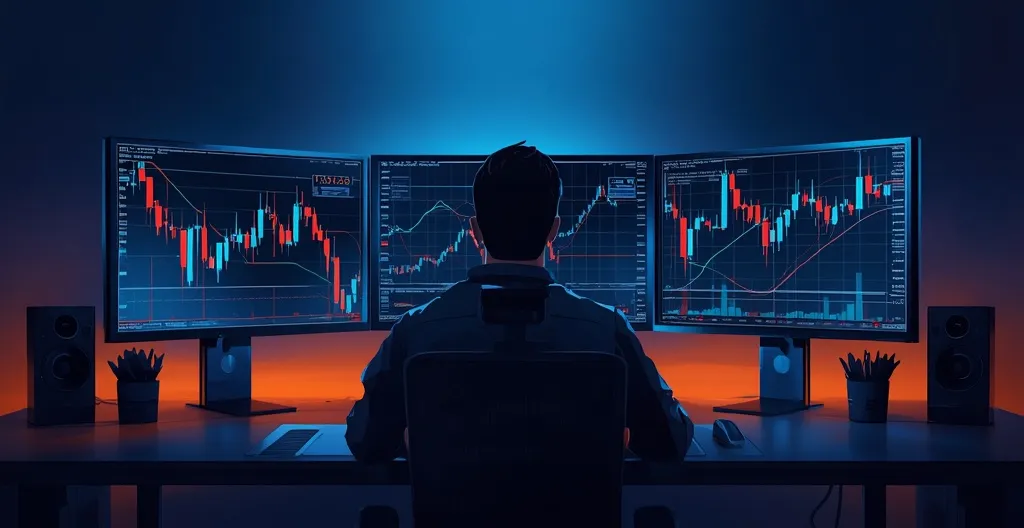
The updated game now mixes historical charts from both crypto and U.S. equities, with the asset name and time period hidden until the session ends. That design forces players to make decisions without leaning on ticker recognition or hindsight. You don’t get to stare at a chart and say, “Ah yes, that’s obviously Tesla during a manic earnings run.” The game makes you work for it.
The U.S. stock list includes Nvidia ($NVDA), Tesla ($TSLA), Apple ($AAPL), Microsoft ($MSFT), and Netflix ($NFLX). TokenPost says the stock data spans the past five years of daily candles and is split into roughly 800 curated chart intervals. In plain English, that means the game seems to draw from many different chunks of historical price action, not one neat stretch of market history.
That matters because stocks bring in market behavior that crypto traders may not spend much time thinking about. U.S. equities trade during set sessions, not around the clock. They can gap up or gap down at the open after news breaks while markets are closed. Earnings can rip a chart apart in minutes. Crypto never sleeps. Stocks close the door and sometimes come back swinging.
For traders who live mostly in crypto, that difference is not academic. It changes how entries, exits, and risk management work. A chart that looks calm at 3 p.m. can open ugly the next morning. That kind of overnight surprise is part of the stock market’s charm, if by charm you mean “another way reality reminds you that you are not in control.”
The game uses paper trading, so users are working with virtual funds rather than real money. That makes it a standard training setup, low risk, real charts, no actual capital on the line. It is useful for practicing entries, exits, and basic discipline. It is also not the same as trading with real skin in the game. Fake money makes people brave. Real money has a way of restoring respect.
Gameplay lasts 20 turns, and players make buy-and-sell decisions using price movement, volume, and moving averages. Moving averages, for readers unfamiliar with the term, are lines built from average prices over a set period. Traders use them to spot trend direction or momentum. They are useful tools, not crystal balls. If they were magic, every chart jockey on the planet would already be retired on a beach somewhere.
After each session, TokenPost says an AI-generated review evaluates trade history, timing, behavioral patterns, and performance versus the market. Subscribers can also access a deeper AI report that compares results against simplified trading approaches. The product also supports guest mode for non-members and is available through a TokenPost account.
That AI layer could be genuinely helpful if it does more than spit out polished hindsight. Good feedback can expose habits like chasing candles, overtrading, or holding losers too long. Bad feedback just repackages obvious mistakes with machine-sounding confidence. If the model mistakes luck for skill or turns one lucky session into a fake masterpiece, it is not analysis, it is expensive autocomplete wearing a tie.
TokenPost has also shifted the in-game currency display to U.S. dollars, while order screens and portfolio views show an estimated Korean won conversion. For a Korean-facing platform offering U.S. market charts, that is a sensible move. It helps users read prices in the market’s native currency without losing track of what those numbers mean locally.
The company says the charts are for educational purposes only. In-game funds are not real assets and cannot be exchanged, and the AI reports are reference material rather than investment advice or a promise of returns. Good. That disclaimer should be loud, not decorative. The internet already has more than enough people selling market wisdom they could not survive using themselves.
Why does this expansion matter? Because it turns the game from a crypto-only practice tool into something closer to a broader market-learning environment. That’s useful for beginners, but it also has value for crypto-native traders who have never had to deal with session-based markets, overnight gaps, or earnings-driven volatility.
What is the educational upside? Hidden historical charts force users to make decisions under uncertainty instead of trading with perfect hindsight. That is closer to real market decision-making, and the post-session AI review adds a feedback loop that can help users spot repeating mistakes rather than just celebrate or blame a single outcome.
What are the limits? Paper trading can sharpen pattern recognition, but it cannot fully reproduce execution friction, slippage, or the emotional pressure of risking real money. AI feedback can also be shallow if the methodology is weak. A simulator can teach discipline, but it cannot turn a reckless trader into Warren Buffett with a few pretty charts.
Who benefits most from this setup? Newer traders can use it to build basic chart-reading habits without financial damage. Crypto traders can use it to learn how stocks behave differently. More experienced users may get the most value from the behavioral review, if it actually identifies patterns instead of reciting common sense in fancy packaging.
Key takeaways
-
Why did TokenPost add U.S. stocks?
To broaden the Chart Trading Game beyond crypto and let users practice across markets that behave differently. -
What makes stocks different from crypto?
Stocks trade in sessions and can gap on the open, while crypto trades continuously. That changes how charts behave and how traders manage risk. -
What does the game teach?
It trains users to make buy-and-sell decisions from hidden historical charts using price, volume, and moving averages, then reviews their choices afterward. -
Is paper trading a substitute for real trading?
No. It is a useful practice tool, but it does not fully recreate real-world pressure, execution issues, or the emotional hit of actual losses. -
Can AI reports replace judgment?
Not even close. They can highlight patterns and mistakes, but only if the methodology is solid. Otherwise, they are just polished noise. -
Who is this product for?
It should appeal to beginners, crypto traders wanting exposure to stocks, and users who want structured feedback on their decision-making.
TokenPost and Korea University Launch 2025 AI & Blockchain seems to fit the same broader push toward education and experimentation. TokenPost says it plans to expand the product with “more asset classes and learning features.” If that actually happens, the direction makes sense. The best trading tools do not pretend markets are easy. They show just how messy they are and let users practice before the market does the teaching with real money.
Further reading
A few related resources worth a look if you want more on markets, charts, and the odd corners of crypto education.
- Eni, TotalEnergies Secure Approval for Cyprus’ First Cronos
- Error extracting content
- Checking Browser Access for PMC Articles
- Master Moving Averages: A Guide to Smarter Stock
- Stock simulator: Paper trading
- Crypto Horoscope: Zodiac Trading Tips to Survive Extreme
- Trump’s Trade Threats Disrupt Markets: Bitcoin and Crypto