What Happens to My KYC Data Behind the Approval Screen?
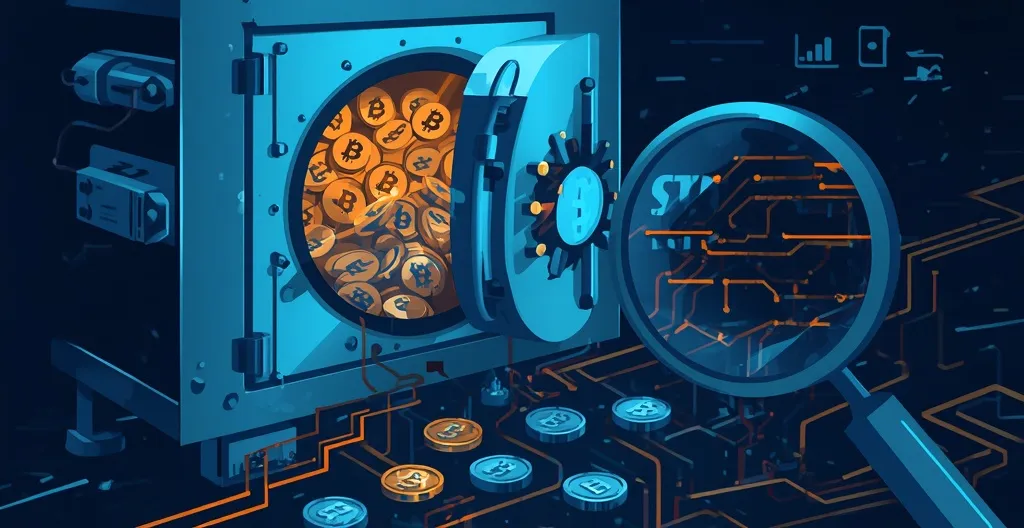
An “approved” message confirms that an identity check produced a result. It does not tell you what information was collected, which companies handled it, where it was processed, or whether every copy was deleted.
- One check can involve several systems and service providers.
- Different records may have different purposes and retention periods.
- Ask who handles your data, what they do with it, and when it is deleted.
One upload can produce more than one record
Know Your Customer, or KYC, refers to the identity checks financial services use to open and maintain accounts. Crypto exchanges and other digital-asset services may use these checks, but their tools and data practices vary.
An ID image and selfie are the visible inputs. A verification process may also extract details such as your name, date of birth, or document number; compare your selfie with your ID photo; or generate a score or decision. Some systems create a biometric template, a digital representation of facial characteristics used for matching.
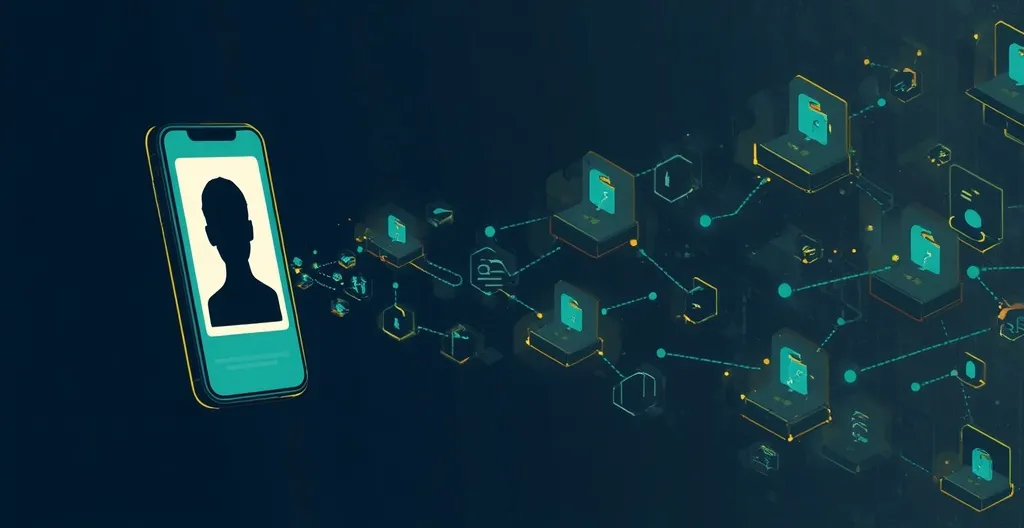
Depending on how a provider is set up, information could pass between the financial company, a verification vendor, and internal review or support systems. A vendor might handle the original images, while the company receives extracted details or a result. These are possible arrangements, not claims about how any specific service operates.
An approval does not mean every related record has been deleted. A company may retain some information for compliance, security, or operational purposes, while other copies follow a different schedule. Only the provider’s disclosures and responses can explain its actual practices.
Automated checks are not the whole process
Identity verification can involve automated checks and human review. A blurry image, a typo, or a document the system does not recognize may need a closer look. A review alone does not mean a customer has been accused of fraud.
Facial matching and liveness detection are related but different. Facial matching compares the face in a selfie with the photo on an identity document. Liveness detection is meant to check that a live person is present. Neither guarantees that every attempt to fool a system will be caught.
NIST’s digital identity guidance, SP 800-63A, provides a standards-based reference for identity-proofing services within its scope. It calls for documented procedures covering, among other things, why personal and biometric information is collected, which technologies are used, how exceptions are handled, fraud controls, privacy risks, and data retention, protection, and deletion. NIST is a U.S. standards framework, not Indonesian law or proof of how a particular exchange or vendor operates.
Who handles your data, and where?
A financial service may hire other firms to verify identities or provide technical support. In privacy law, a controller generally decides why and how personal data is processed, while a processor handles data on the controller’s behalf. The roles depend on the actual activities and applicable law. A label in a contract may not answer every question about a vendor’s responsibilities.
Ask about access as well as storage. Data location can mean where information is stored and processed, but location alone does not tell you which companies or staff can access it, or from which countries. A useful explanation should identify the parties involved, their purposes, and relevant storage or access locations.
For services operating in Indonesia, applicable privacy and financial-sector requirements depend on the provider and the records involved. Do not assume that a retention period for a particular category of financial records automatically applies to every selfie, biometric template, support note, or vendor-held copy. Check the provider’s privacy notice and the relevant official rules for the exact service and record type.
A practical KYC privacy checklist
-
Which legal entity is responsible for the service?
Ask for the full name of the company handling your account and the contact point for privacy requests. A brand name may not identify the legal entity. -
Which vendors receive my information, and why?
Ask what each vendor does and whether it receives original documents, extracted details, biometric information, or only a verification result. -
Where is my data stored or processed, and who can access it?
Ask which countries are involved and whether outside service providers or support teams can access the information. -
How long is each kind of record kept?
Ask for retention periods by record type and what starts each period. One timeline may not cover every file or system. -
Can I correct or request deletion of my information?
Ask how to submit a request, which records may need to be retained, and how the company handles copies held by vendors or in support systems. -
What happens if a vendor relationship ends?
Ask how the provider handles your information if it replaces a vendor, transfers the business, or closes a service.
Common questions about KYC data
-
Does an approval screen mean my ID photo was deleted?
No. Approval confirms a result, not that the image or other records were deleted. Check the provider’s retention information or ask directly.
-
Does closing my account erase all KYC records?
Not necessarily. Legal or compliance requirements may mean some records stay on file, while other copies may be eligible for deletion. It depends on the record, provider, and applicable rules.
-
Does a manual review mean the company suspects fraud?
Not by itself. An image or document that is hard to verify may need review, but that does not establish that fraud occurred.
Use the company’s official route
KYC documents are valuable to scammers. Be wary of unexpected requests to upload an ID through a text, email, or social-media link. Open the company’s official app or type its known website address directly into your browser.
The approval screen marks the end of a user-facing step, not a map of your data. A trustworthy provider should be able to explain what it collects, why each party handles it, how long different records are kept, and how to request a correction or deletion.