World is promoting biometric-backed identity verification as a way for banks and online services to tell people apart from bots and AI impersonators. The use case may be real, but “proof of human” is not the same as proof of legal identity. And institutional interest alone does not show that users or WLD holders will benefit.
- World says World ID can verify that someone is a unique human.
- That does not automatically confirm a person’s identity or stop a deepfake.
- Past recruitment incentives make informed consent a key concern.
- Finance partnerships do not prove that WLD holders will earn revenue.
What World ID is and what it is not
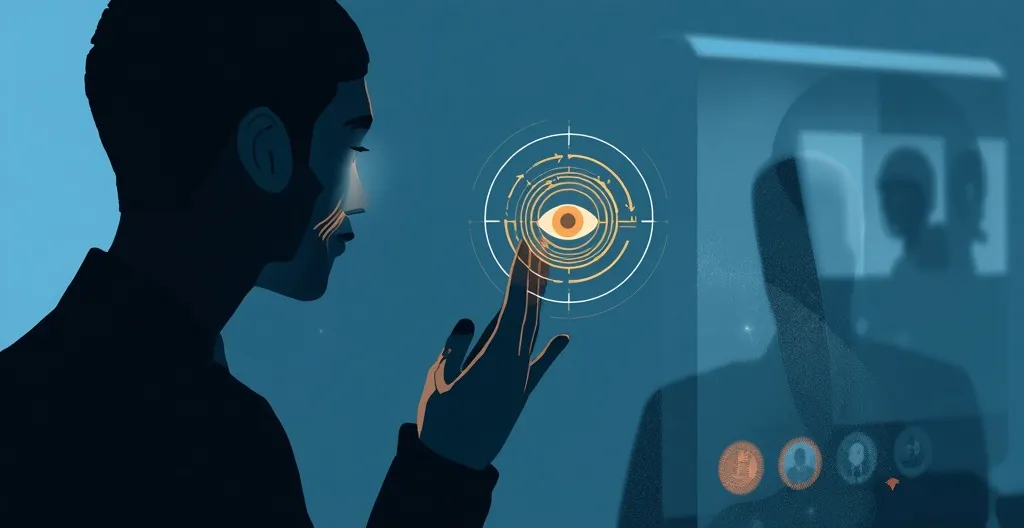
Tools for Humanity’s World network is bringing World ID into banking and finance. Its Zoom integration is presented as a way to address AI-driven impersonation. World describes its “Proof of Human” system as a way to establish that a user is a unique human, confirm their presence, or verify selected attributes without disclosing unnecessary personal information.
These are different functions. Showing that an account belongs to a unique human does not establish that person’s legal name, age, or other identity details. A proof of uniqueness also does not, on its own, show that the account holder is physically present on a particular Zoom call or that the video feed has not been manipulated. The specific checks used by the Zoom integration matter. A broad promise to address deepfakes does not explain how those checks work.
World’s approach could have practical uses as AI-generated voices, images, and automated accounts become easier to produce. But privacy claims should be judged by the actual verification process: what information it collects, what it processes or retains, what it shares, and what choices people have. World says the system is designed to limit unnecessary personal information. That is a starting point for scrutiny, not a substitute for clear data practices and informed consent.
Consent matters as much as the technology
A 2022 MIT Technology Review investigation documented Worldcoin recruitment practices in several countries, including Kenya and Indonesia. Participants reportedly said they received cryptocurrency, cash, or gifts to sign up.
An incentive does not automatically invalidate consent. But payment can carry more weight for people under financial pressure, especially when the decision involves biometric information. People need to understand what they are agreeing to, what happens to their data, and whether they can say no without losing access to something they need.
World has cited 18 million verified humans. As reported by the project, that figure counts registrations. It does not show how many people remain active, use World ID regularly, or signed up for reasons beyond receiving a reward. Sign-ups show reach, but they do not by themselves prove lasting adoption or informed consent.
Biometric data calls for particular care because it is tied to physical characteristics. You can replace a password after a breach. A face or iris cannot be reset in the same way. That does not make every biometric system unacceptable, but it raises the standard for transparency, security, and meaningful user choice.
Partnerships are not proof of token value
VanEck, Pantera Capital, and Bain Capital have been named in connection with World’s finance expansion, while Zoom is described as an integration partner. The specific terms, responsibilities, and data flows behind these relationships have not been detailed here. A prominent firm’s involvement may signal interest in the product, but it does not show how the service works or who captures its economic value.
That distinction matters for WLD holders. A banking or video-conferencing integration could attract users without generating revenue for the token. Even if the product makes money, that does not mean revenue will flow to WLD holders. The link between World’s commercial activity and the token needs to be demonstrated, not inferred from a partnership announcement.
World’s identity service and WLD are related parts of the project, but they are not the same thing. A useful identity product can grow while its associated token captures little or none of that growth. Treating adoption headlines as proof of token value is a shortcut crypto marketing loves, and investors should resist it.
Questions worth asking
-
Does World ID verify someone’s legal identity?
Not necessarily. World says it can verify that someone is a unique human or confirm selected attributes. That differs from establishing a person’s legal name or identity.
-
Does World ID automatically prevent deepfakes on Zoom?
No. World says the system aims to address AI-driven impersonation, but proof that an account belongs to a unique human does not, on its own, prove that person is live on a call or that a video feed is genuine.
-
Do 18 million verified humans prove lasting adoption?
No. World’s figure reflects reported registrations, not active use, continued engagement, or why people signed up.
-
Will finance partnerships increase WLD’s value?
That has not been established. A partnership does not prove the service generates revenue or that any revenue will benefit WLD holders.
Useful technology still needs accountability
Proving that a user is human could help services deal with bots and AI impersonation. But that potential does not settle whether a particular system handles biometric information responsibly, or whether participants understood the terms when they signed up.
World’s financial ambitions make these questions more pressing. Users need clear information about data collection, retention, sharing, and deletion. Partners and investors need to explain their roles. And anyone assessing WLD should look for a concrete link between product activity and token value.
Large registration totals and familiar institutional names can draw attention. Neither is enough to earn trust.