Chainlink’s CustodySync Is Designed to Connect Qualified Custody With DeFi Borrowing
Chainlink reportedly introduced CustodySync with Anchorage Digital Bank as its launch partner. The system aims to let institutions borrow from decentralized lending markets while their assets stay in qualified custody. The idea sounds useful, but key details about legal rights, operating controls and availability remain unconfirmed.
- CustodySync is described as connecting custody records with onchain lending.
- Anchorage’s Atlas service reportedly handles collateral and loan operations.
- The cited announcement and Atlas manual were unavailable for independent review, and their dates omit the year.
How CustodySync is meant to work
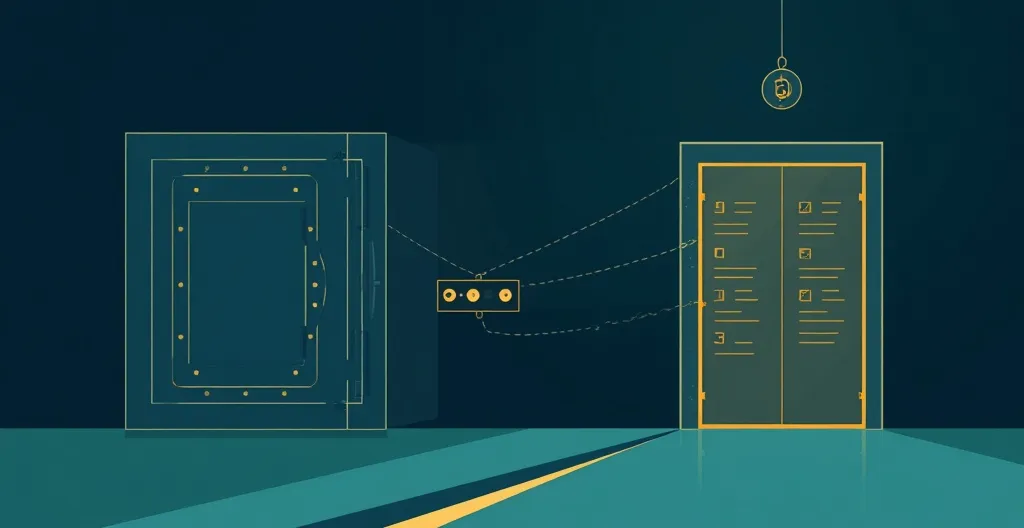
According to the description attributed to Chainlink, CustodySync connects a custodian’s collateral systems with an onchain lending market. The aim is to let an institution borrow without moving its assets fully into a lending contract.
In the proposed setup, Chainlink’s Proof of Reserve publishes custody balances onchain. That can make reported balances visible, but it does not establish which assets are pledged to a particular loan or what rights a lender can enforce against them.
A transfer-restricted receipt token represents collateral in the lending market. The description says the token does not give its holder a claim on the underlying assets outside the integration. Its role is to represent collateral within the lending arrangement, not to act as a freely transferable claim on the custodied assets. Exactly how that representation gives a lender enforceable rights remains unclear.
Chainlink’s Runtime Environment is described as coordinating authorized actions and updating custody records. Data Feeds and Data Streams are intended to provide matching prices to the custody and lending systems. Borrowed funds would move directly from the lending market to the borrower.
If a position reaches its liquidation threshold, an appointed collateral agent is supposed to handle the sale. CustodySync would record committed sale proceeds onchain before final settlement. The description does not explain how a sale is authorized, how records are reconciled if systems disagree, or what happens if settlement is delayed or disputed.
Atlas puts agreements and people in the process
Anchorage’s Atlas Collateral Management Manual is described as outlining a contractual process for borrowers and lenders. Before funding, they agree on eligible assets, loan-to-value (LTV) limits, cure periods and possible responses to a breach. The manual is cited as dated April 28, but its year and full text were unavailable for independent review.
LTV compares the loan amount with the value of its collateral. If collateral loses value, the LTV rises. If it passes the agreed limit, the borrower may receive a margin call. Under the described Atlas process, the borrower must add enough collateral within the agreed cure period to restore the required ratio.
Depending on the contract and circumstances, a breach could trigger a notification, partial or full liquidation, or a transfer of collateral to the secured party. The description also says a critical threshold can prompt immediate action unless the agreement provides a cure period. These options depend on the contract. Borrowers should not assume every agreement includes them.
Anchorage reportedly coordinates liquidations through its trading desks. Participants can monitor collateral packages through an API and dashboard. The point is clear: connecting custody records to a blockchain does not make every part of a loan automatic. Custodians, collateral agents, legal agreements and operational decisions still matter.
What is known about availability and related lending
CustodySync was reportedly announced on Oct. 26, but the year is unspecified. The cited Chainlink announcement and Atlas manual were unavailable for independent review, so the product description does not confirm that the system is live. No rollout schedule or list of additional custodians has been provided. Chainlink is also said to have noted that features may vary by custodian.
A separate arrangement with Spark is described as allowing institutions to borrow against Bitcoin held at Anchorage Digital Bank, with Anchorage acting as collateral agent through Atlas. Anchorage reportedly said multiple institutional borrowers had taken out loans, but did not disclose their identities or the total borrowed. The arrangement and borrowing figures could not be independently confirmed.
The distinction matters. A product design, a signed lending arrangement and a live system processing loans are separate milestones. Without public technical specifications and contractual terms, it is hard to assess how CustodySync would prevent double-pledging, how lenders could enforce claims, or who would bear the consequences of a custody or settlement failure.
Key questions about CustodySync
-
Does CustodySync let institutions borrow without moving assets out of custody?
That is the reported design. A restricted receipt token represents collateral within the lending integration while the assets remain in custody. The legal rights and enforcement mechanisms behind that arrangement are unclear.
-
Who handles liquidation?
The described model assigns the sale to a collateral agent. Anchorage reportedly serves in that role for a separate Spark arrangement, but its full responsibilities under CustodySync have not been established.
-
Is CustodySync available now?
No confirmed rollout schedule or evidence of live use is available. The system was reportedly announced, but its current availability remains unclear.
-
Which assets and loan terms will it support?
No complete asset list, rates, loan limits or standard LTV thresholds have been specified. In the reported Atlas process, borrowers and lenders agree on key terms themselves.
The real test is enforceable collateral
Connecting institutional custody to decentralized lending could help organizations access onchain liquidity without moving assets directly into a lending contract. But a price feed and an onchain receipt cannot replace clear legal rights or reliable liquidation procedures.
The most important details remain unsettled: who controls the assets, what a lender can enforce, how collateral is protected from competing claims, and how a sale reaches final settlement. Until those terms and the system’s operating status are documented, CustodySync is best viewed as a reported design, not a proven bridge between qualified custody and DeFi. See also how digital asset custody is shifting toward operational considerations.
Related DeFi lending deployments include Aave’s launch on OKX’s X Layer and Aave’s move to streamline lending on Ethereum L2. Chainlink’s staking service is available at Chainlink staking.