Core Scientific Plans to End Bitcoin Self-Mining by Late 2026 and Pivot to AI Data Centers
Core Scientific plans to wind down its Bitcoin self-mining operations by the end of Q4 2026 and focus on AI and high-performance computing (HPC) data-center services from 2027. Its reported revenue mix helps explain the appeal of the shift, but it does not show that AI hosting will be more profitable.
- Core Scientific reported $215.4 million in Q3 colocation revenue.
- It expects to stop mining Bitcoin with its own equipment by late 2026.
- MARA, Riot Platforms and HIVE are pursuing different forms of AI and HPC expansion.
- Several headline comparisons don’t provide enough detail to establish profitability.
Core Scientific’s business is shifting from mining to hosting
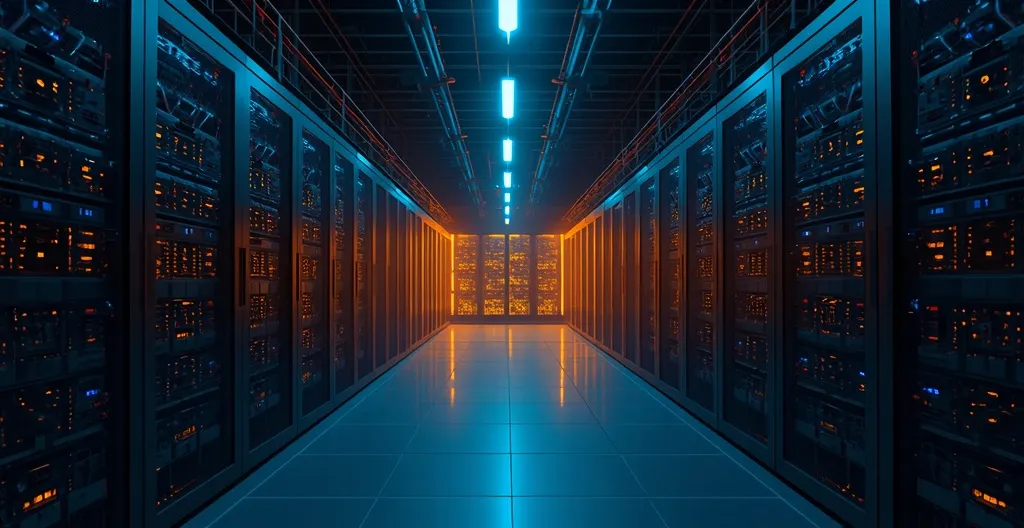
Self-mining means using a company’s own equipment to mine Bitcoin. Colocation is a separate business: a data-center operator provides space and infrastructure for customers’ computers. Core Scientific plans to use that capacity for AI and HPC workloads from 2027.
In its Q3 2026 results, Core Scientific reported $215.4 million in colocation revenue, nearly 60% more than in the previous quarter. The company said colocation accounted for 93% of total revenue, while self-mining generated $12.3 million.
Those figures don’t quite add up to the reported 93%. If $215.4 million was 93% of total revenue, total revenue was about $231.6 million. That leaves roughly $3.9 million between the estimate and the two named revenue categories. The percentage is rounded, and the available breakdown does not identify the other revenue category or categories.
Core Scientific also reported adjusted EBITDA of $133.6 million, with a 57% margin. Adjusted EBITDA excludes interest, taxes, depreciation and amortization, along with adjustments defined by the company. It can help show operating performance, but it does not replace net income or cash flow. The adjustments matter.
The company said it had reduced its active mining fleet by nearly 50% compared with the end of 2025. It also paid $41.9 million to terminate its Bitcoin mining equipment agreement with Block and Proto, ending future equipment deliveries. These moves point to a planned retreat from expanding its own mining fleet, not just a pause in purchases.
Why Bitcoin miners are looking beyond mining
The April 2024 Bitcoin halving cut the block subsidy, the newly issued Bitcoin awarded to a miner that adds a block, from 6.25 BTC to 3.125 BTC. Miners also earn transaction fees. But with a smaller subsidy, Bitcoin’s price, fees, electricity costs and equipment efficiency matter more to mining economics. Bitcoin miners are increasingly becoming AI data centers.
A lower block reward doesn’t automatically make mining unprofitable. Operators with efficient equipment and inexpensive power may remain viable, while less competitive operations can struggle. That’s why a single “break-even” price can’t describe the whole industry.
Core Scientific’s results show that colocation is now a much larger reported revenue source than self-mining. The gap helps explain the commercial appeal of the pivot. But revenue alone doesn’t show which business delivers better returns after expenses, investment and financing costs.
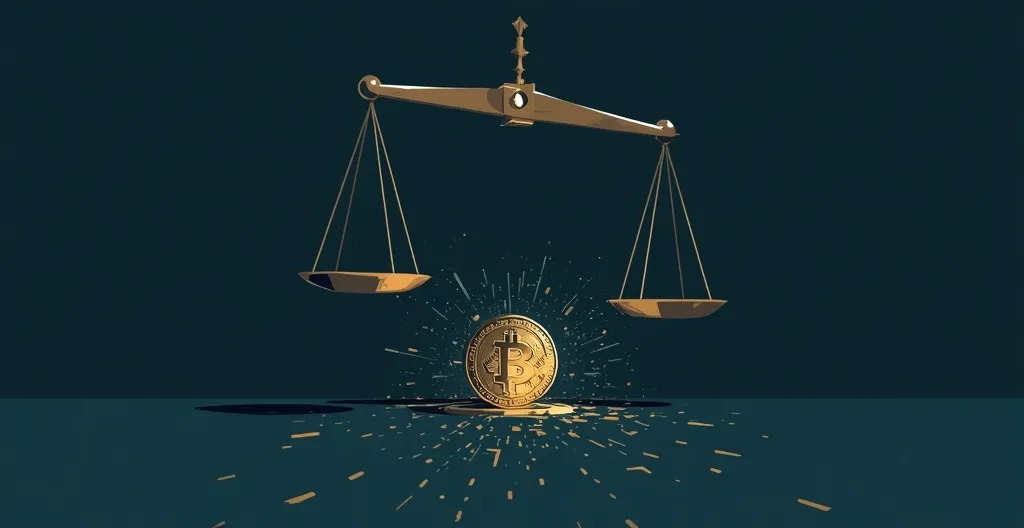
A widely circulated comparison estimates five-year revenue from one megawatt of power at roughly $1.9 million for Bitcoin mining and $7.9 million for AI data-center workloads. The estimate is attributed to an unnamed energy infrastructure analyst, and the assumptions and calculation method aren’t specified. It shouldn’t be treated as a verified profit comparison. Revenue isn’t profit, and the costs and requirements of each operation can differ substantially.
And mining sites can’t all become AI data centers just by changing the sign. Customers may need different infrastructure, equipment and service arrangements. The economics depend on whether operators can provide those facilities and secure customers on workable terms.
Capacity agreements and other miners’ moves
Core Scientific has an arrangement involving AMD and Neocloud that covers about 530 megawatts (MW) of capacity. AMD also has reservation rights for another 1, 925 MW of potential capacity. The available details don’t explain Neocloud’s precise role or the arrangements’ costs and timing. Reservation rights don’t guarantee that all potential capacity will be built, used or paid for.
Other mining companies are also shifting how they allocate capital and infrastructure, though their moves differ.
MARA Holdings sold about 15, 133 BTC for roughly $1.1 billion in March 2026 and cut its workforce by 15%. The company said it was redirecting capital toward strengthening its balance sheet and pursuing other opportunities. The sale marks a significant change in its treasury strategy, but it doesn’t mean MARA is abandoning Bitcoin mining.
Riot Platforms signed a 20-year lease for 191 MW of critical IT capacity with an unnamed major AI lab. That capacity refers to the power available for the customer’s information-technology equipment. Estimated revenue over the initial term is $9.1 billion, but the customer’s identity and the contract’s conditions haven’t been disclosed. Estimated contract revenue isn’t a guarantee of profit.
HIVE is winding down Bitcoin mining in Sweden while expanding AI and HPC infrastructure in Canada. Hut 8 is also among the companies moving toward AI and HPC, though specific details of its plans aren’t available here.
A business pivot is not a Bitcoin network forecast
Shifting facilities from mining to data-center services could reduce the mining capacity operated by public companies. It doesn’t mean Bitcoin’s total hashrate, the network’s combined computing power, will fall by the same amount. Other miners may keep operating or add capacity, and announced changes don’t necessarily mean equipment will shut down right away.
The trade-off is clear: Bitcoin mining contributes computing power to the network, while AI and HPC hosting serves other customers and markets. Both are data-center businesses, but they have different purposes and economics.
Core Scientific’s planned transition is a bet that customer demand for AI and HPC capacity can support a better business than self-mining. Its reported colocation revenue shows that the business is already substantial. Whether it can deliver lasting returns will depend on customer contracts, operating costs, investment needs and the company’s ability to provide the infrastructure customers require.
Key questions and answers
-
When does Core Scientific plan to stop self-mining Bitcoin?
It expects to wind down self-mining by the end of Q4 2026 and focus on AI and HPC data-center services from 2027.
-
Why is Core Scientific shifting toward data-center services?
Colocation generated $215.4 million in reported Q3 2026 revenue, compared with $12.3 million from self-mining. The figures show the difference in scale between the two revenue streams, but don’t establish their relative profitability.
-
Are other Bitcoin miners pursuing AI and HPC?
Yes. MARA has sold Bitcoin and redirected capital, Riot has signed a long-term lease with an AI lab, and HIVE is expanding AI and HPC infrastructure while winding down mining in Sweden.
-
Does AI data-center work guarantee higher profits?
No. Revenue estimates don’t account for all costs, and the assumptions behind the cited mining-versus-AI comparison aren’t specified.