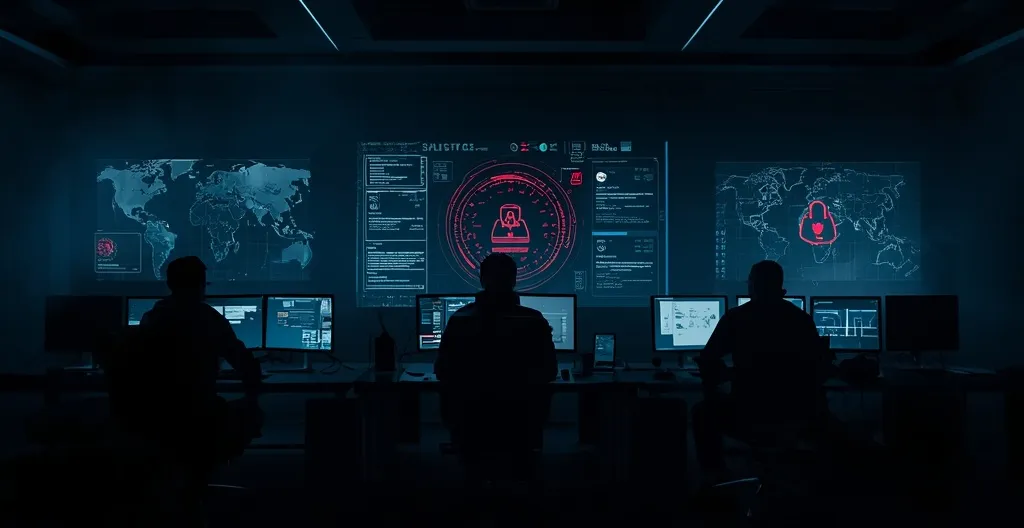
DHS says its Homeland Security Information Network, or HSIN, was accessed without authorization, prompting the agency to isolate affected systems, mitigate the vulnerability, and launch a forensic investigation. The network is unclassified, but that does not make it harmless.
- HSIN was accessed without authorization
- Classified networks were not indicated as affected
- HSIN data is still highly sensitive
- Sen. Mark Warner wants a deeper probe
The incident was first reported by Nextgov after DHS confirmed it was dealing with a cyber incident involving a “specific, unclassified legacy information sharing environment.” In plain English, an older government information-sharing system got hit, the agency moved to contain it, and investigators are still trying to figure out the full scope. For context, the network has long been part of the federal security apparatus, and Homeland Security Information Network is hardly some obscure side project.
DHS said it “immediately took action to isolate the affected systems, mitigate the vulnerability, and launch a comprehensive forensic investigation.” The department also said there is “no indication that classified networks were impacted” and that “the system remains operational for our partners.”
That distinction matters, but it should not be treated like a get-out-of-jail-free card. In government cyber incidents, the most valuable information is often not classified at all. It is operational: who is coordinating with whom, how events are being planned, what response playbooks look like, and where the weak points are. This is the kind of stuff that ends up on sensitive government networks and makes defenders sweat.
HSIN is used by federal, state, local, Tribal, territorial law enforcement, and private sector partners to share intelligence, plan, coordinate, and respond to incidents. That makes it a tempting target. Attackers do not need to steal nuclear launch codes to cause trouble. Sometimes they just need a map of how the machine works. DHS’s own Information Network description makes the basic mission pretty clear.
Sen. Mark R. Warner, the Democratic vice chair of the Senate Select Committee on Intelligence, said he is “deeply concerned” by the compromise of HSIN and stressed that the platform has been used for more than two decades. In a separate statement, Warner on the DHS breach pressed for answers and accountability.
“For more than two decades, the HSIN platform has been used by federal, state, local, Tribal, territorial law enforcement, and private sector partners, to share intelligence, plan, coordinate, and collaborate on events, and respond to incidents…”, Sen. Mark R. Warner
Warner also said the information in HSIN, while not classified, is “highly sensitive” and that its exposure “risks national security.” That is the part people keep missing when they hear the word unclassified. Unclassified does not mean irrelevant, and it definitely does not mean safe to leak.
Warner called on DHS and DOJ to thoroughly investigate who breached HSIN, what the attackers accessed, and how DHS partners can be helped to reduce any related risk. He also said DHS needs to account for how the breach happened and make sure it does not happen again. If you want a reminder of how badly official incompetence can backfire, look no further than the DHS blunder that had to be cleaned up by the DOJ. Bureaucratic faceplants are not a niche hobby. They are a recurring feature.
That last point is where the real embarrassment sits. A department tasked with homeland security should not be caught playing defense on its own collaboration platform. If a system is old enough to be described as “legacy, ” that usually means more than just age. It often signals technical debt, patching headaches, and security assumptions that have outlived their welcome.
Warner further argued that the homeland security community needs confidence that HSIN is secure, and the American public needs confidence that the department responsible for America’s cybersecurity has its own house in order. Fair enough. Trust is hard to earn and easy to burn.
There is also a bigger operational issue here. Warner said HSIN is used to support planning and coordination for major events, including the FIFA World Cup and America250, as well as other incidents and response efforts. That does not prove those plans were exposed in this incident, but it does show why the platform matters. If attackers gained visibility into sensitive coordination details, even without touching classified systems, that could still create serious downstream risk.
What is not yet known is just as important. DHS has not said who was behind the intrusion, how the vulnerability was exploited, whether data was exfiltrated, or how long the system was exposed before it was contained. Those unanswered questions are the difference between a contained intrusion and a much bigger mess.
For now, the confirmed facts are straightforward: HSIN was accessed without authorization, DHS isolated the affected systems, the vulnerability was mitigated, a forensic investigation is underway, and classified networks were not indicated as impacted. That is the official line, and it is enough to know the problem is real even if the full damage is not yet public. Even the crypto world is not immune to this sort of political-industrial clown show. Just look at how the CLARITY Act stalls in the Senate when the suits start tripping over themselves.
The uncomfortable truth is that cyber risk is not limited to flashy breaches of private companies or headline-grabbing ransomware crews. Sometimes the highest-value targets are the boring government systems that keep coordination running behind the scenes. Break those, and you do not just steal data. You shake trust, delay response, and hand adversaries a better view of the board.
Key takeaways
-
What is HSIN?
HSIN is the Department of Homeland Security’s Homeland Security Information Network, used by government and private-sector partners to share intelligence and coordinate responses. -
Did DHS confirm a cyber incident?
Yes. DHS said it was aware of a cyber incident involving a “specific, unclassified legacy information sharing environment.” -
Were classified networks affected?
DHS said there is no indication classified networks were impacted. -
Was the system shut down?
No. DHS said the system remains operational for partners. -
Why does an unclassified breach matter?
Because unclassified operational data can still be highly sensitive and useful to attackers, especially when it involves coordination, planning, and response information. -
Do we know what the attackers accessed?
Not yet. DHS has not disclosed the scope of access, whether data was taken, or who was behind the intrusion. -
What happens next?
DHS’s forensic investigation is still ongoing, and Warner is pushing for a thorough review by DHS and DOJ to determine what was exposed and how to prevent a repeat.
Further reading
One more angle worth tracking: how government cyber incidents keep exposing the gap between “not classified” and “not dangerous.”