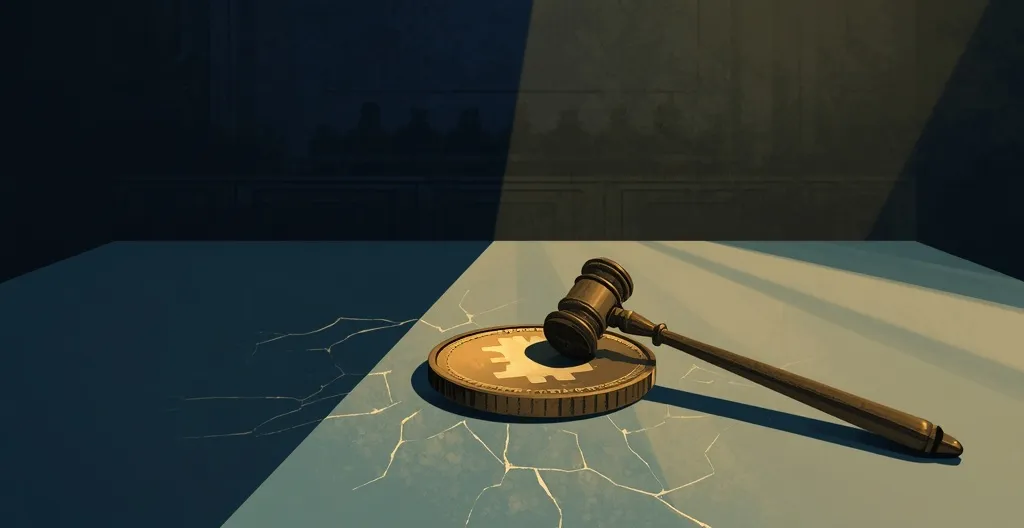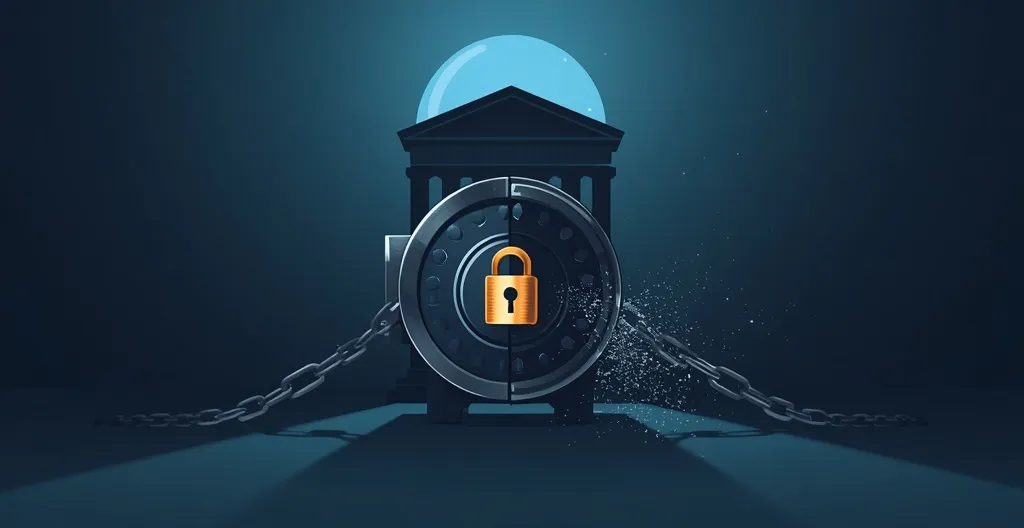
EU regulators may be moving toward stronger powers to freeze crypto assets tied to crime, but the public record provided here doesn’t include the actual proposal, legal text, or timeline. So the right reading is cautious: possible policy direction, not confirmed final law.
- Possible move: asset-freezing powers for crime-linked crypto
- Main tradeoff: enforcement strength vs. due process and privacy
- Big split: custodial platforms are easier to freeze than self-custody
If this does go forward, it would fit a broader EU push to tighten crypto oversight around Commission Proposes 5-Point Plan to Strengthen Security of anti-money-laundering rules, fraud prevention, and financial crime. That part is no surprise. Governments love tools that can stop money in its tracks. The real question is whether they use a scalpel or a sledgehammer.
“Freeze” sounds simple, but it can mean different things depending on the setup. A regulator or court may order an exchange not to allow withdrawals. A stablecoin issuer may blacklist an address, but only for some centrally issued tokens that actually support that function. A custodian may be told to lock funds. These are related tools, not one magical switch.
What it does not mean is that all crypto can be frozen at the protocol level just because Brussels says so. Bitcoin is not a bank account. If someone controls their own keys, regulators cannot directly freeze those coins on the network. What they can do is pressure the parts of the ecosystem that still rely on centralized chokepoints: exchanges, brokers, custodians, and payment processors.
That distinction matters a lot. In crypto, sloppy commentary often blurs the line between “can freeze the on-ramp and off-ramp” and “can freeze the asset itself.” Those are not the same thing. One is control over intermediaries. The other is control over the actual funds.
From the enforcement side, the argument is easy to understand. Crypto can move quickly, cross borders instantly, and get layered through mixers, bridges, shell wallets, or chains of accounts. If the target is ransomware proceeds, fraud cash-outs, sanctions evasion, or organized crime, freezing powers can be useful. They can also be useful when speed matters more than perfect elegance, which is often how law enforcement thinks.
But “crime-linked” is a slippery phrase if the legal standard is vague. Does it mean direct proceeds of crime? Funds that passed through a mixer? Assets that touched a flagged address somewhere in their transaction history? A judge’s order? An administrative decision? The difference between those answers is the difference between legitimate enforcement and arbitrary seizure dressed up as compliance.
Crypto users already know how ugly false positives can get. A wallet can be flagged because it interacted with a tainted address at some point in its history. A platform can freeze first and sort things out later, leaving innocent users stuck in bureaucratic limbo while support tickets gather dust. That is not anti-crime policy. That is digital purgatory with a compliance badge.
There is also a market effect worth watching. If any new rules mostly hit custodians, exchanges, and issuers, most mainstream users will feel it through extra onboarding checks, more monitoring, and more account restrictions. If the scope is broader, some activity will likely move toward self-custody or privacy-preserving tools. Some of it may also go offshore or underground. Regulators rarely enjoy hearing that their own pressure campaign can push activity into less visible corners, but there it is.
For Bitcoin specifically, the cleanest way to say it is this: the network is hard to freeze, but the ecosystem around it is not. Bitcoin held on a centralized platform can be blocked, delayed, or locked up if the intermediary is compelled to comply. Bitcoin held in self-custody is a different animal. Authorities can go after the person, the exchange, or the payment rails they use. They cannot remotely seize private keys they do not control. Physics remains stubbornly non-partisan.
The key missing piece here is the actual legal mechanism. Without the draft text, the named institution, and the enforcement standard, anything more specific would be guesswork. And there is already enough fake certainty in crypto without adding another layer of regulatory fan fiction.
For readers still getting familiar with the broader policy vocabulary, it helps to understand the basic Understanding the Concept of Analysis behind these moves: regulators usually target the controlled points in the system, not the math itself. That’s why “freeze” powers often land on custodians first.
There is also a bigger legal backdrop in Europe. The Official Journal C 210/2022 reflects the kind of formal legal machinery that usually underpins these kinds of actions, and it is exactly the sort of paper trail that matters when public debate starts getting fuzzy.
If you want a plain-English reminder of why people keep repeating Why Move Your Crypto to Cold Storage (Wallet) in these conversations, it’s because self-custody is the whole damn point. If you don’t control the keys, someone else controls the freeze switch.
That said, not every asset gets treated the same way under the law. The regulatory category of Cryptoassets is broad, messy, and often handled very differently from one jurisdiction to another. That ambiguity is exactly where lawyers make their rent.
Key questions and takeaways
-
What does “freeze crime-linked assets” mean?
It means authorities could block access to crypto suspected of being tied to criminal activity, usually through exchanges, custodians, issuers, or other intermediaries. -
Can regulators freeze all crypto?
No. They can pressure centralized chokepoints, but they cannot directly freeze coins in a self-custodied wallet at the protocol level. -
Why would the EU want this power?
The usual justification is to fight money laundering, fraud, ransomware proceeds, sanctions evasion, and other cross-border criminal flows. -
What is the biggest risk?
Overreach. If “crime-linked” is defined too loosely or without real due process, innocent users and businesses can get caught in the blast radius. -
Who is most exposed?
Users of custodial exchanges, brokers, and centrally issued stablecoins are more exposed than people who hold their own keys and avoid centralized chokepoints.
For a concrete example of how this kind of enforcement is already being discussed elsewhere, see Brazil Approves Bill to Freeze Crypto Assets Linked to fraud and crime. That is the same basic playbook: target the rails, not the chain itself.
The real issue is not whether the EU can build a tougher enforcement toolbox. Of course it can try. The issue is whether that toolbox stays narrow, accountable, and proportionate, or becomes another excuse to expand surveillance and control while ordinary users pay the price.
And for anyone wondering what real-world crypto self-defense looks like, the market keeps moving in that direction too. Retail access to hardware wallets like Best Buy Sells Tangem Hardware Wallets Nationwide, Boosting self-custody is a reminder that people are not exactly lining up to hand their keys to every gatekeeper in sight.
That’s why local policy matters. A case like South Carolina Passes Pro-Crypto Law Protecting Bitcoin self-custody and banning CBDCs shows how different jurisdictions are already drawing hard lines between financial freedom and financial babysitting. Europe may be heading the other way, and that tension is not going away anytime soon.
Further reading
A few related reads for anyone tracking where enforcement, self-custody, and policy pressure may be headed next.