Ledger CTO Charles Guillemet says he plans to leave the hardware-wallet maker at the end of 2026 to build a security-focused venture. His announcement comes as reports of physically altered Ledger devices spread beyond Southeast Asia, though he has not linked his departure to the investigation.
- Guillemet joined Ledger in December 2017 and says the transition has been planned for months.
- Ledger says concealed components in some devices were designed to capture recovery phrases.
- Reports from Berlin and Dubai describe different levels of evidence, and the cases have not been shown to be connected.
Guillemet plans his next move
Guillemet says he will leave Ledger at the end of 2026, after nine years with the company. He joined as chief security officer in December 2017, later became CTO and founded Ledger Donjon, the company’s security research laboratory.
He plans to build a new venture focused on security threats, including attacks that artificial intelligence can make cheaper and easier to scale. He has not named the venture or announced a launch date.
“We’ve been preparing this transition for many months, so Ledger’s teams, partners and roadmaps are ready, ”
Guillemet describes his departure as a planned transition. He has not publicly tied it to Ledger’s investigation, and no evidence has been presented linking the two. The timing may invite speculation, but it does not establish a cause.
What Ledger says happened to the devices
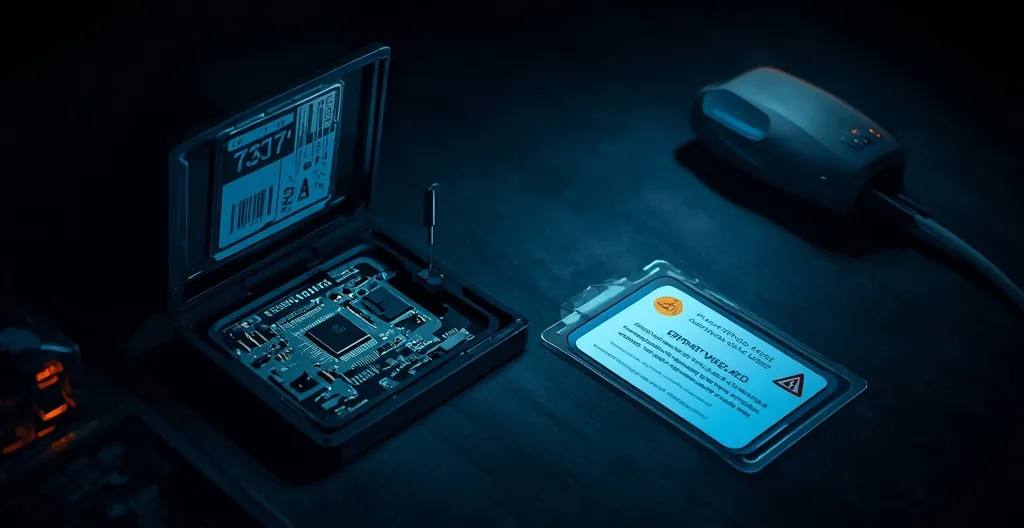
Ledger has described the reported tampering as a distribution-channel attack. Criminals allegedly opened genuine devices, installed concealed electronic components and returned the wallets to reseller channels. In a statement dated Oct. 15, Ledger said it had asked authorized resellers in Southeast Asia and Hong Kong to suspend sales. The year of the statement has not been established in the available reporting.
Ledger says the components were designed to capture recovery phrases during wallet setup. A recovery phrase is a sequence of words that can restore access to a crypto wallet. Anyone who obtains it may be able to control the funds without defeating the wallet’s secure chip.
The company says the reported attack did not compromise its secure chip or operating system. That is Ledger’s account of the method, not a complete forensic record published independently. Available information does not explain exactly how the components captured or transmitted recovery phrases.
The Defiant reported that Ledger confirmed tampering in Berlin and was investigating a case in Dubai. Ledger has also said modified devices were found outside Southeast Asia, including in Europe and the Middle East. The reports do not establish how many devices were affected or whether all the cases involved the same operation.
Dubai reports involve different levels of evidence
Two Dubai customers reportedly said they lost cryptocurrency after buying Ledger devices from Virgin Megastore. One reported losing around 1, 300 Solana, while another claimed 507, 000 USDT was stolen. These are customer claims, not confirmed findings. No combined dollar figure is given here because valuing the Solana loss depends on the price and date used.
Security researcher and former Mt. Gox CEO Mark Karpelès identified an unauthorized circuit board and antenna in photographs of one device. Physical tampering had not been confirmed in the second customer’s case. A reported loss, a purchase from a retailer and forensic confirmation that a device was altered are separate pieces of evidence.
Ledger says its Donjon team is examining suspected devices and working with law enforcement and distribution partners. The company has also reportedly tightened reseller requirements, including restrictions on displaying devices in stores and reselling returned products. The available reporting does not establish the full scope or timing of those measures.
Reports from other locations, including Singapore, should not be folded into one tally or treated as proof of a coordinated campaign. The number of confirmed altered devices, the number of affected customers and any links between regional cases remain unsettled.
What customers should do
A hardware wallet’s security depends on more than its internal chip and software. The device also has to reach the buyer without being physically altered. Buying from an authorized retailer does not guarantee protection from tampering, as the reports involving reseller channels show.
If a device looks suspicious, do not initialize or restore a wallet on it. Never disclose your recovery phrase to a retailer, support agent or website claiming to verify the wallet. Contact the manufacturer through its official support channels.
If you believe your recovery phrase may have been exposed, treat the associated wallet as at risk. Use a trusted, clean device and wallet to move the funds to a newly created wallet with a fresh recovery phrase. Never enter the exposed phrase into a device you suspect has been altered.
Key questions and answers
-
When does Charles Guillemet plan to leave Ledger?
At the end of 2026, after nine years with the company. He says he plans to start a security-focused venture.
-
Did Guillemet say the investigation prompted his departure?
No. He said the transition had been planned for months and did not publicly connect his decision to the investigation.
-
What were the altered devices allegedly designed to do?
Ledger says concealed components were designed to capture recovery phrases during setup. The company says its secure chip and operating system were not compromised.
-
Was tampering confirmed in both Dubai cases?
No. An unauthorized circuit board and antenna were identified in photographs of one device. Physical tampering in the second case had not been confirmed.
-
How many devices were affected?
No confirmed total has been reported. Cases in several regions do not show that every incident is connected or reveal the overall scale.
Related developments include Ledger’s US IPO ambitions.