
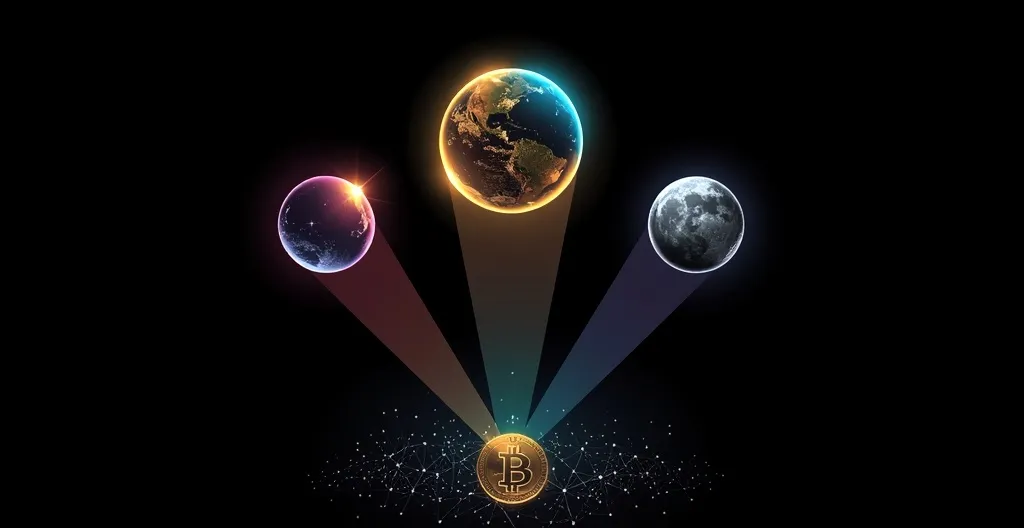
OpenAI’s June 26, 2026 preview of GPT-5.6 uses the names Sol, Terra, and Luna for its model lineup, and crypto traders noticed right away. The overlap with familiar crypto tickers and communities is real, but there is no stated OpenAI partnership with Solana, Terra, or Luna projects, so the cleanest read is still the least exciting one: a naming coincidence, not a secret alliance.
- OpenAI previewed GPT-5.6 Sol, Terra, and Luna
- No crypto partnership or affiliation was stated
- The overlap triggered chatter, not verified market impact
- Bitcoin remains the anchor for broader sentiment
- Altcoin narratives still live or die on liquidity and fundamentals
According to OpenAI’s release, the GPT-5.6 series includes three models: Sol, described as the flagship model; Terra, described as a balanced model for everyday work; and Luna, described as the fast and affordable option. That is enough to make any crypto-native reader squint, because those names line up neatly with some of the most recognizable labels in the sector.
SOL is instantly linked to Solana. Terra and Luna carry even more baggage, because those names are tied not just to a token pair, but to one of crypto’s most infamous collapse stories. So yes, the reaction was predictable. The internet saw three loaded names and did what it always does. It turned a coincidence into a theory before lunch.
But the part that matters most is also the most boring: OpenAI did not say it partnered with any crypto project. There is no stated affiliation in the release, and nothing in the provided materials supports that leap. If people want to spin this into some hidden crossover between AI and crypto, they can go ahead. Reality, though, is stubbornly unromantic.
What OpenAI actually appears to be doing is rolling out a limited preview of a new model family with different performance and cost profiles. That is a real product development. The crypto naming overlap is the kind of thing that can set social feeds on fire for a few hours, but it is not the same as a catalyst with measurable market follow-through.
And that distinction matters because crypto has a long, undignified habit of confusing attention with adoption. A catchy headline can move sentiment. Sometimes it even nudges a chart. But unless that attention turns into real liquidity, sustained volume, or actual use, it usually fades fast. Weekend narratives are famous for being loud and lazy, all hype and no legs.
The more grounded way to look at this is simple: the naming overlap may shape conversation, but it does not prove market impact. For traders and builders, the useful questions are still the unsexy ones:
- Usage, Is there real demand or product relevance?
- Liquidity, Is there enough capital to support a move?
- Compliance, Are the projects operating within regulatory reality?
- Treasury activity, Are teams or foundations moving funds in a meaningful way?
- Developer progress, Is the team actually shipping?
Those are the checks that separate a real market signal from a loud coincidence. Crypto loves a shiny narrative, but a narrative without capital flow is just cosplay with a chart attached.
Bitcoin still sits at the center of broader crypto sentiment. When BTC is firm, traders have more room to speculate on altcoin stories and sector rotations. When BTC is weak, even decent narratives often get flattened by risk-off positioning, leverage unwinds, and the usual panic that shows up when everyone remembers they were never as bullish as they claimed on X.
That is why the OpenAI naming overlap is interesting, but not automatically important. The names are loaded, the chatter is real, and the meme potential is obvious. But without evidence of a reaction in spot volume, derivatives activity, on-chain flows, or wallet movement, it remains a narrative event, not a confirmed market event.
The right way to watch this is through primary sources and hard data: OpenAI’s own announcements, exchange data, on-chain data, governance updates, and wallet activity. If the overlap ends up mattering, it will show up there. If it does not, then it will join the graveyard of crypto weekend distractions that briefly felt profound and then evaporated into the Monday open.
There is also a broader lesson here. In crypto, names matter more than they should, and less than people pretend. A familiar ticker can trigger a reflexive response, especially in thin conditions. But actual value still comes from fundamentals: product utility, credible development, and market structure that can absorb real demand. Everything else is noise dressed up as insight.
Key questions and takeaways
-
Did OpenAI announce a crypto partnership?
No. OpenAI previewed GPT-5.6 with the names Sol, Terra, and Luna, but it did not state any partnership or affiliation with Solana, Terra, or Luna projects. -
Why did crypto traders react so quickly?
Because Sol, Terra, and Luna are already loaded names in crypto. SOL points straight to Solana, while Terra and Luna carry major baggage from one of the sector’s biggest collapses. -
Does the naming overlap prove market impact?
No. It may create attention and sentiment, but without evidence from volume, liquidity, on-chain activity, or wallet movement, there is no proof of a lasting market effect. -
What should traders watch next?
Primary-source confirmation, exchange data, on-chain data, governance updates, and wallet activity. If the naming overlap matters, it will show up in actual market behavior, not just in social-media noise. -
Where does Bitcoin fit into this?
Bitcoin remains the anchor for broader crypto sentiment. When BTC is strong, altcoin narratives tend to have more room to breathe; when it is weak, most of them get crushed.
Bottom line: the OpenAI naming overlap is real, the crypto chatter is real, but the market significance is still unproven. In crypto, that difference is everything.
Further reading
A few related threads worth keeping an eye on, if you want the broader crypto and AI crossover without the fluff.
- OpenAI GPT-5.6 Sol, Terra and Luna Names Stir Crypto Ticker Confusion
- Understanding the Basics of Quantum Computing
- A preview of GPT-5.6 Sol, Terra, and Luna
- Terra (blockchain)
- Model Drop: GPT-5.6 Sol, Terra, & Luna
- CME Launches Nasdaq Crypto Index Futures With Bitcoin
- Goldman Sachs Exits XRP and Solana ETF Positions, Keeps
- Bitcoin Dips Below $77K as Clarity Act Deadline Looms and


