
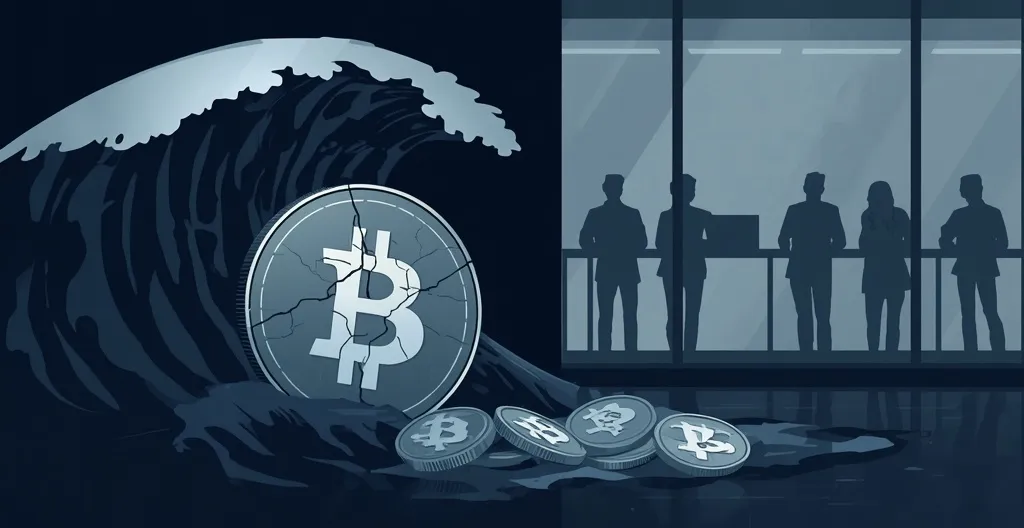
Pi Network holders are running out of patience, and the math is getting ugly
PI is still limping near the bottom, while a new wave of token unlocks and weak demand keeps the pressure on. The project may have millions of users and a loud community, but the market is treating the hype like expired milk.
- Token unlocks are adding supply faster than demand can absorb it.
- Community frustration is turning from noise into a real headwind.
- Pi2Day launches may help, but only if people actually use them.
- Without real utility, PI risks staying a speculative bag of hot air.
The core problem is simple: Pi Network spent years building expectations around “free” mobile mining, but it still has to prove that PI is useful for anything beyond hope and screenshots. That is a rough place to be when newly released tokens keep hitting the market and buyers are nowhere near aggressive enough to mop them up.
The unlock schedule is the elephant in the room
In crypto, a token unlock is when previously restricted coins become sellable. That matters because more supply can mean more selling pressure if demand does not rise with it. Basic market plumbing. No magic. No incense. No blockchain astrology.
According to the research notes, 103.7 million PI are set to unlock in July 2026. That is a serious supply event, and the concern is that the market may not have enough appetite to absorb it cleanly.
That is why the line Pi Network near record low as July 2026 token unlocks and fits so well. You can announce features, post updates, and keep the community hyped, but if supply keeps expanding into weak demand, the chart does not care about your optimism.
One X user, Travladd (@travladd), summed up the bearish view this way:
“$PI is possibly one of the easiest shorts on the market right now ( if they stick to their word and give people their earned tokens ).”
That is one trader’s view, not market gospel. Still, it captures the fear hanging over PI: if tokens keep unlocking and real demand stays thin, price weakness can keep feeding itself.
Why the old $100 talk collapsed
Pi Network’s community spent years floating sky-high expectations. Some of that was harmless enthusiasm. Some of it was straight-up moonboy nonsense. Either way, PI around $0.0827 is a brutal reality check for anyone who bought into the idea that the token was destined for four or even three digits without first proving utility.
Wishful thinking is not a valuation model.
That sounds harsh, but crypto needs fewer fairy tales and more functioning products. Pi Network has to answer a boring question before it can answer a glamorous one: what do people actually need PI for?
Frustration inside the community is becoming a risk of its own
The price chart is one problem. The mood among supporters is another.
An X post from pinetworkmembers (@pinetworkmember) put the frustration bluntly:
“Hard to stay bullish on $Pi lately. Years of mining and promises, yet users are stuck with failed KYC, missing balances, broken migrations, wallet issues and zero real support. Pi CT barely communicates, everything still feels heavily centralized, scams keep popping up, …”
That is user frustration, not a verified balance-sheet problem. But in crypto, sentiment matters because trust is part of the product. If holders feel ignored, blocked, or uncertain about access to their coins, they are much more likely to sell into any bounce and much less likely to stick around for the long haul.
KYC means know-your-customer identity checks. It is standard in crypto projects trying to comply with regulations, but if the process is messy or broken, it becomes a pain point fast. For a network that built so much of its identity around community participation, that kind of friction is especially damaging.
Pi2Day products are the real test, not the announcements
Pi Network is not standing still. Around Pi2Day, the team introduced new products, including Pi Sign-in and PiVerify. The project is also pushing its protocol roadmap, with Protocol v25 described as live and Protocol v26 planned.
That matters, because utility is the only serious escape route here. A token becomes more valuable when people need it for something useful, payments, access, identity verification, fees, or another real economic function. Ethereum has gas fees that create demand for ETH. Solana has active app and DeFi usage that creates its own gravity. Those networks are not perfect, but they have actual on-chain activity behind the ticker.
Pi Network is still trying to get there. If Pi Sign-in or PiVerify creates real usage and requires PI in a meaningful way, that could help build a floor under the token. If not, the launches are just more branding with a nicer coat of paint.
That is the uncomfortable truth: a product announcement is not adoption. Adoption is adoption.
The chart is not showing buyers in control
The technical picture remains weak. The notes describe PI’s market structure as bearish, which means the price action is still making lower highs and lower lows. That is trader-speak for “buyers keep losing the fight.”
Technical terms like RSI and MACD often show up in these setups. RSI, or Relative Strength Index, measures momentum. MACD is another momentum tool that helps traders spot trend shifts. In plain English: if they are not improving, momentum is not your friend.
The key point is simple. When a token is under supply pressure and the market is already weak, even small rallies can get sold hard. That is how downtrends stay ugly longer than anyone wants to admit.
The bullish case exists, but it is thin
Pi Network is not automatically dead. It has a large user base, brand recognition, and a clear need to turn community attention into actual utility. That gives it a path, even if it is a narrow one.
But the path is conditional. The team has to solve user pain points, turn the new products into something people actually want, and make sure unlock pressure gets met by genuine demand instead of just more optimism from holders who are already underwater.
If that happens, PI can recover some credibility. If it does not, the market will keep doing what markets do when supply outruns demand, punish the bag holders and move on.
Key questions for Pi Network holders
-
Why is PI under pressure right now?
Because token unlocks are increasing supply while demand remains weak. That is a bad combination for price unless something changes fast. -
Do Pi2Day products change the outlook?
Only if they create real use. A feature launch means very little if nobody cares enough to use it. -
Can PI recover if the team keeps building?
Yes, but building alone is not enough. The market wants evidence that PI has utility, not just more promises and protocol updates. -
Is community sentiment still bullish?
Some holders are still hopeful, but frustration is clearly rising. Complaints about KYC, missing balances, migrations, wallet issues, and weak support are doing damage. -
Can PI reach $1, 000?
Nothing in the current setup makes that a serious expectation. Without massive utility, adoption, and an absurdly large market re-rating, that number belongs in the fantasy pile. -
What would need to happen for PI to rise in 2026?
Demand would need to outpace unlock pressure, and the new products would need to generate real usage. Without that, any rally is likely to be temporary.
The blunt takeaway
Pi Network still has a pulse, but the burden of proof is heavy. PI is sitting under pressure, unlocks are adding supply, and the community is getting less patient by the day. The team is trying to move the project from hype to utility, which is exactly the right move, but the market is not handing out points for effort.
If the utility push works, Pi can claw back some credibility. If it does not, the chart may keep doing the same miserable thing it has been doing, drifting lower while everyone waits for a miracle that never arrives.
Further reading
A few extra takes and context pieces on Pi Network’s supply pressure, KYC headaches, and centralization concerns.
- 5 Reasons It Could Be All Over for Pi Network Holders PI
- Pi Network Faces Supply-Demand Collision in July 2026
- Pi Network price prediction overview
- Pi Network token unlocks 2026: can demand absorb it?
- Pi Network’s Price Crashes 57% Amid Centralization Risks
- Pi Network’s AI KYC Push for Mainnet Meets Token Crash and
- Pi Network’s Urgent KYC Deadline: Migration Woes and


