Privacy Cash pauses deposits after $1.2 million in Binance-linked inflows
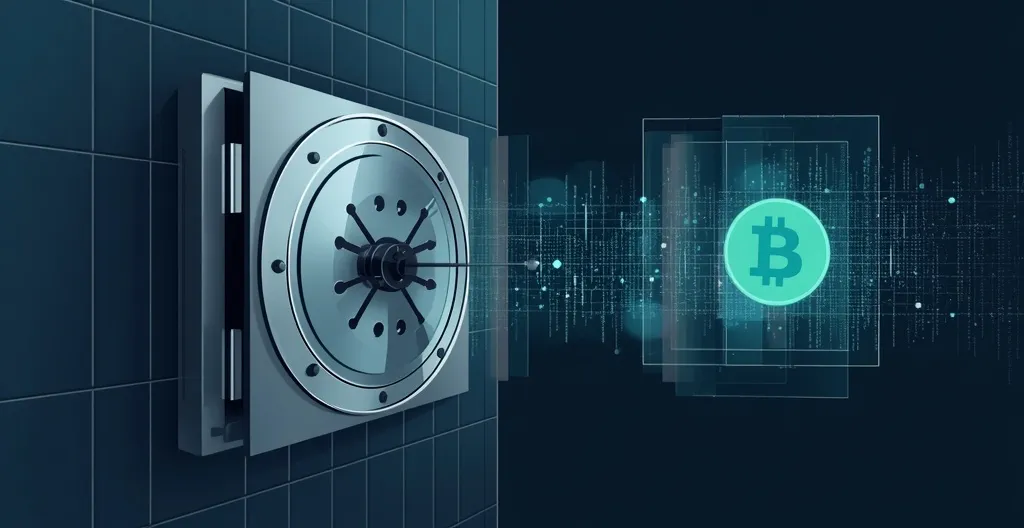
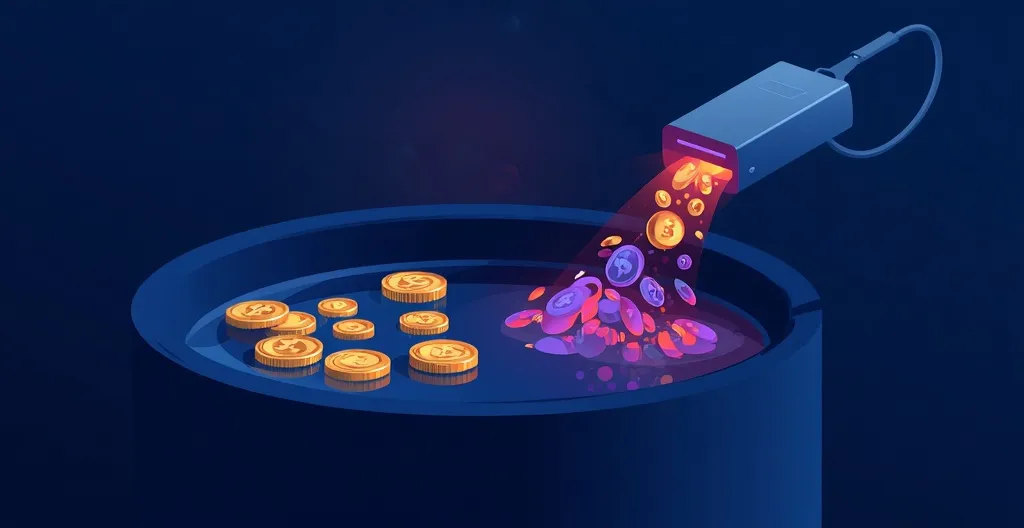
Privacy Cash temporarily stopped accepting deposits after Elliptic reported that about $1.2 million in ETH and SOL linked to the Binance attack had entered its pools. Withdrawals remain available, the project says. It has not explained how the deposits passed its screening process or when deposits will resume.
- Privacy Cash paused deposits on Nov. 4; withdrawals remain available.
- Elliptic reported roughly $1.2 million in theft-linked deposits.
- The project says it is strengthening address screening but has not detailed the changes.
What investigators reported
Onchain Lens flagged 8, 567 SOL, valued at approximately $798, 000, from an address it linked to the Binance attacker. The transfers were made on Nov. 3. Onchain Lens said other addresses showed similar activity.
Elliptic’s figures covered a broader set of transfers across Solana and Ethereum. It identified about 9, 600 SOL and 41 ETH entering Privacy Cash on Nov. 3, worth roughly $1 million combined. In a Nov. 4 update, Elliptic reported another approximately 2, 300 SOL and put the theft-linked total at about $1.2 million. The FBI’s attribution of the Binance theft is also part of the wider investigation.
The figures are not directly comparable. Onchain Lens highlighted transfers from one identified Solana address, while Elliptic’s assessment included both SOL and ETH, as well as additional deposits. Available information does not show precisely how much the reported amounts overlap or provide the full basis for linking the addresses to the Binance attack.
That distinction matters. Funds attributed to an attacker appearing in a privacy pool do not, by themselves, show that the pool caused the theft or that its technology was exploited.
Screening was already part of the stated process
Privacy Cash announced the deposit pause on Nov. 4, linking it to the Binance attack and saying it would strengthen screening. The project did not identify a specific failure or say when deposits would reopen.
Its documentation already describes address checks through CipherOwl. A relayer, a service that forwards or submits transactions, also checks wallet addresses. The project says it rejects deposits when an address is flagged as malicious. Similar tracing work has followed illicit funds across chains, including the network traced by Elliptic and Thai police.
This explains what Privacy Cash says its system is designed to do, but not how well it worked in this case. Available information does not show whether the addresses had been flagged at the time, whether the checks ran as intended, or whether the transfers fell outside the system’s coverage. There is not enough evidence to call this a confirmed screening failure.
Privacy is useful, but not absolute
Privacy Cash says users deposit tokens into a pool and later withdraw them to a recipient address. It says zero-knowledge proofs help obscure the public link between the two transactions. A zero-knowledge proof can show that a transaction meets specified conditions without revealing all the underlying information. Investigators have also examined how North Korea is laundering funds stolen from Binance.
The project also says users generate withdrawal proofs on their own devices, preventing the relayer from changing the recipient or amount. These claims describe the project’s design. They are not an independent guarantee of anonymity or security in every situation.
Privacy Cash’s documentation acknowledges that observers may infer a connection when someone deposits a distinctive amount and withdraws a matching amount soon afterward. Privacy tools can make tracing harder, but they do not make every transaction invisible. Systems that screen users also face a difficult balance: blocking suspicious activity without making legitimate privacy protections unusable. The shutdown of the Haowang Guarantee crime hub underscores the scale of illicit activity investigators are trying to disrupt.
The project says it is working to improve its product, but has not said whether that means broader address intelligence, different checks, or another change. Privacy Cash has also been reported to be enhancing screening amid the deposit pause.
Key questions and answers
-
What did Privacy Cash pause?
New deposits. The project says withdrawals remain available but has not given a date for deposits to resume.
-
How much Binance-linked value reportedly entered the pools?
Elliptic reported about $1.2 million in ETH and SOL. The reported attribution and transfer figures do not establish exactly how the funds moved or how the estimates overlap.
-
Did Privacy Cash already screen deposit addresses?
Yes. Its documentation describes checks through a relayer using CipherOwl, with deposits rejected when an address is flagged as malicious. Available information does not explain why the reported deposits were accepted.
-
When will deposits resume?
Privacy Cash has not announced a reopening date or detailed the screening changes it plans to make.
Privacy Cash’s pause cannot be judged until the project explains what it changed and updates users on when deposits will reopen. For now, the main unanswered question is whether stronger screening will address the specific gap, if there was one, that allowed the reported transfers through.