Samsung Plans USDC Transfers for Eligible Users on 82 Million U.S. Galaxy Devices
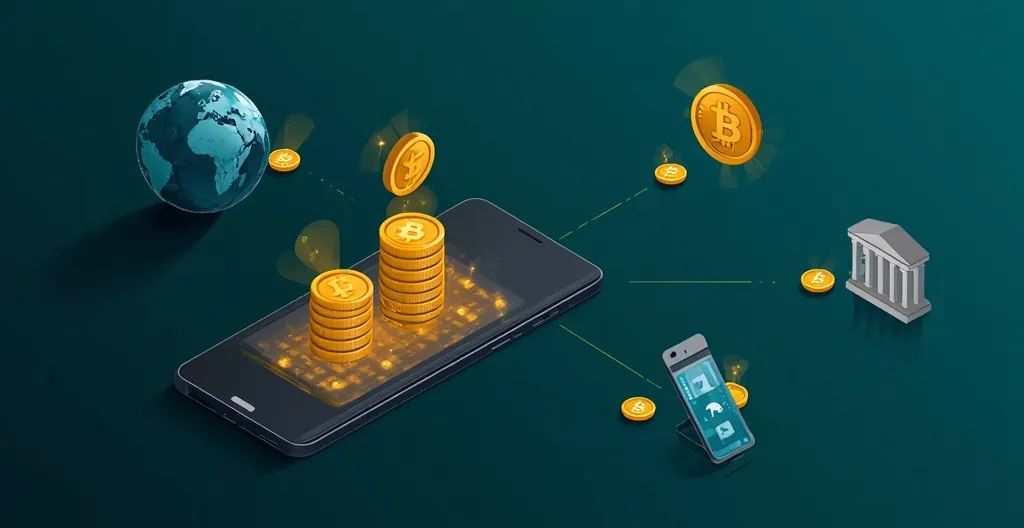
Samsung says eligible U.S. Galaxy users will soon be able to send USDC to compatible crypto wallets or transfer it to overseas bank accounts, where recipients receive local currency. The service is scheduled to launch in the last week of October 2026, but Samsung’s 82 million figure counts compatible devices, not confirmed users.
- Two transfer routes: USDC to a compatible crypto wallet, or local currency to an eligible overseas bank account.
- Eligibility applies: Users must meet age, residency, identity-verification, account and device requirements.
- Fees depend on the route: Samsung says it charges no fee for external-wallet transfers. Bank-transfer fees vary.
- Key details remain open: Samsung has not explained the bank-transfer conversion process or which blockchain handles each transfer.
Two ways to send funds
Samsung announced the planned service on October 7, 2026. USDC, a stablecoin designed to track the U.S. dollar, will be the first supported stablecoin. It will appear as the default dollar stablecoin when users select “Buy Stablecoin.” Samsung has not explained how users will fund purchases or how that option connects to the transfer service.
For crypto-wallet transfers, users can send USDC to compatible external wallets. Samsung says it will not charge a transfer fee, though the receiving wallet or exchange may charge its own. The destination must support USDC on a blockchain network supported by Samsung Wallet. Transfers to sanctioned jurisdictions are prohibited.
Samsung expects compatible-wallet transfers to complete in seconds, though timing depends on network conditions. That estimate applies to the crypto-wallet route. Samsung has not given a general delivery-time promise for bank transfers.
The second route sends funds to eligible bank accounts in more than 60 countries. Recipients receive local currency and do not need to hold cryptocurrency or install a wallet. This differs from sending USDC directly to a crypto wallet.
Samsung says bank-transfer fees vary by destination country and amount. The app is expected to show the applicable fee and estimated delivery time before the sender confirms, though actual delivery times may differ. Samsung has not detailed how USDC is converted to local currency, which parties handle the conversion or how settlement works.
Who is eligible?
The 82 million figure refers to U.S. Galaxy devices compatible with Samsung Wallet. It does not count eligible customers or mean every owner can use the service.
Samsung’s requirements include U.S. residency, an age of at least 18, a Samsung Account, identity verification and a compatible Galaxy device running Android 13 or higher. Users must set up biometric authentication on their registered device. Some banks and account types may not qualify for international transfers. Samsung’s eligibility details for Galaxy users outline the service requirements.
Samsung Wallet is the interface, not the custodian
Samsung says users will not need a separate crypto app or have to manage private keys themselves. Samsung also says it does not hold customer funds and is not acting as a bank, money transmitter or digital-asset custodian. Its partners provide the accounts, custody and money-movement services.
Samsung identifies Bastion as the provider of the payment framework and Coinbase as Bastion’s official sub-custodian. USDC will be safeguarded using Coinbase Prime Vault. Solana and Sui are also named as blockchain infrastructure partners, but Samsung has not specified which network will process a given transfer or how network selection works. Samsung’s Coinbase integration has also been reported previously.
Samsung describes Bastion as a licensed stablecoin infrastructure and custody provider overseen by U.S. financial regulators. Bastion has said it received preliminary conditional approval from the Office of the Comptroller of the Currency (OCC) for a national trust bank charter. That is not a final charter. Samsung’s announcement also does not spell out the precise scope of each partner’s regulatory status or responsibilities to customers. The reported OCC trust charter for USDC custody remains a separate point to verify.
Not managing private keys may make the service easier to use, especially for people new to crypto. But the custody and account terms still deserve scrutiny. Samsung has not detailed how it will handle failed transfers, disputes, refunds or recovery if a device is lost.
Potential payments are still only a possibility
Samsung executive vice president and head of its Digital Wallet Team, Woncheol Chai, described the goal this way:
“Sending money abroad should feel as convenient as using the wallet already on your phone, ”
The service could put stablecoin transfers in front of more people, but reach is not the same as adoption. A familiar interface does not guarantee a cheaper or faster transfer, either. Users will need to compare the total cost and delivery time with other options.
Samsung says future features may include online stablecoin payments and tap-to-pay purchases at physical stores. Neither has a launch date or a firm commitment. Expansion beyond the initial U.S. service would depend on regulations in each market.
Key questions about Samsung Wallet USDC transfers
-
When is the service expected to launch?
Samsung says the rollout is scheduled for the last week of October 2026. Its Samsung Wallet stablecoin announcement provides further details.
-
Does the service reach 82 million people?
No. Samsung’s figure refers to compatible U.S. Galaxy devices. Users must also meet the service’s eligibility requirements.
-
Are all transfers free?
No. Samsung says it charges no fee for transfers to external crypto wallets, but receiving wallets or exchanges may charge fees. Bank-transfer fees vary by destination and amount.
-
How does a bank transfer convert USDC to local currency?
Samsung says eligible recipients receive local currency, but it has not explained the conversion process, exchange rates or which parties handle it.
-
Which blockchain will process a transfer?
Samsung names Solana and Sui as infrastructure partners but has not said which network will handle each transfer or how the choice is made.
-
Are in-store stablecoin payments launching in October?
No. Samsung has mentioned online and physical-store payments as possible future features, without a launch date.