Thailand’s WORPT Aims to Let Tourists Pay With Crypto by QR Code
WORPT is designed to let visitors convert supported cryptocurrencies into Thai baht and pay participating merchants with PromptPay QR codes, without opening a Thai bank account. But its real-world availability, total costs and user protections remain unclear. And “nationwide” coverage has not been backed up with a merchant count or coverage map.
- Named supported assets include USDT and USDC.
- Merchants receive baht, not cryptocurrency.
- Thai media reports put the initial conversion fee at 1.5%.
- Wipay’s adoption and spending figures are targets, not results.
How WORPT is meant to work
Wipay and Waan Exchange (Waanx) developed WORPT with support from Tether, the company behind USDT. The service is described as operating within Thailand’s TouristDigiPay regulatory sandbox. The information provided names the Securities and Exchange Commission as an overseer, but says little about the sandbox’s conditions or whether other agencies are involved.
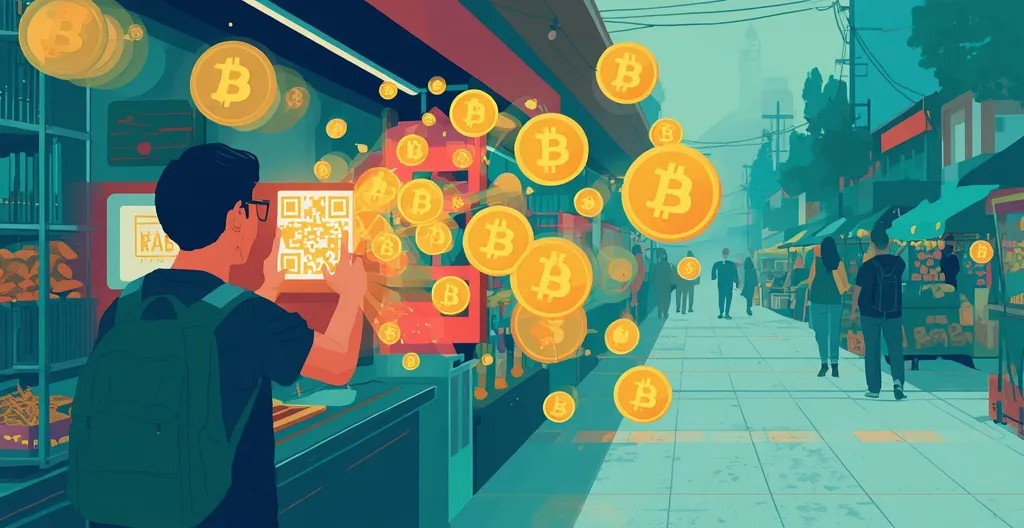
Visitors must verify their identity in the app before connecting an external digital-asset wallet. They can then convert supported crypto, including USDT and USDC, into baht and scan a PromptPay QR code at a participating merchant. PromptPay is Thailand’s QR-payment network.
According to the service description, restaurants, hotels and retailers receive baht through their usual payment channels. They do not handle cryptocurrency directly. The aim is to make crypto a funding option for customers while keeping merchant payments in local currency.
The information released does not explain exactly how funds move. It does not say whether users transfer tokens to WORPT or a partner, how long conversion takes, or who holds the funds in the meantime. These details matter: users need them to assess custody and security risks.
Coverage and costs still need clarity
WORPT is pitched as a way for tourists to pay around Thailand, but no merchant count or detailed coverage map has been provided. The Mall Group is named as an early retail partner and the first department store group to support the service. That confirms a partnership, not that WORPT will work at every PromptPay checkout, or even across the country.
Thai media reports put the initial conversion fee at 1.5%. That is a reported conversion fee, not a confirmed total payment cost. The exchange rate, any spread or extra charges, and options for withdrawing baht have not been specified.
Tourists have sometimes turned to exchanges, over-the-counter (OTC) deals, cash withdrawals or other methods to convert crypto into baht. Informal conversions can expose users to fraud, including fake exchanges or brokers who vanish with their funds. WORPT could offer another option, but its safety is hard to judge without details on custody, security, refunds, disputed transactions and payment reversals.
A regulatory sandbox usually lets a financial service be tested under regulatory supervision. Its existence alone does not guarantee that users are protected from losses. The available information does not spell out the specific rules or protections for TouristDigiPay.
Company targets are not adoption figures
Wipay expects about 200, 000 users in WORPT’s first year and projects 15 billion baht in spending during the initiative’s 18-month trial. Those are company targets, not confirmed user numbers or completed transactions. The trial’s start and end dates, how “users” will be counted and how success will be measured have not been specified.
Wipay is targeting visitors from South Korea, Japan, the Middle East and Southeast Asia. The company is also preparing Visa prepaid card services. Physical cards are planned for November, though no year is specified, and virtual cards are expected in early 2027. The company has not provided details on how the cards will work or who can use them.
The pitch is simple: give tourists another way to spend digital assets while letting merchants keep receiving baht. Whether the convenience is worth it will depend on the actual merchant footprint, total cost and reliability. Until those details are clearer, nationwide use should be treated as an ambition, not a promise that visitors can pay with WORPT at any shop displaying a QR code. For more context, see Thailand’s TouristDigiPay and crypto payments in baht.
Key questions about WORPT
-
Can tourists use WORPT everywhere in Thailand?
That has not been established. The service is presented as having nationwide potential, but no merchant count or coverage map is available.
-
Do visitors need a Thai bank account?
No. WORPT is designed to let tourists pay without opening one, after they verify their identity in the app.
-
Which cryptocurrencies are named as supported?
USDT and USDC are specifically mentioned. Other supported assets have not been identified, and bitcoin support has not been confirmed.
-
Do merchants receive crypto?
No. Merchants receive baht through their usual payment channels.
-
What is the reported fee?
Thai media reports put the initial conversion fee at 1.5%. The total cost may differ because the exchange rate, spreads and any extra charges have not been specified.
-
What adoption does Wipay expect?
Wipay targets about 200, 000 users in the first year and 15 billion baht in spending over the 18-month trial. Those are projections, not results.