Trezor says it found hardware implants in three Safe 5 wallets purchased from former reseller CryptoBilis. The devices could capture recovery words and passphrases shown on their screens. Trezor has released a firmware update to block the specific behavior it identified, but says customers should still treat any recovery phrase that may have been exposed as compromised.
- Trezor identified three affected devices. It examined one in its lab and assessed the other two using photos supplied by their owners.
- Firmware 2.13.1 blocks the behavior Trezor identified, but not every possible form of hardware tampering.
- Customers who bought from CryptoBilis from March 2026 onward qualify for replacement or refund options.
- Trezor says it has received no reports of customer losses and has not confirmed implants outside CryptoBilis.
How the implants worked
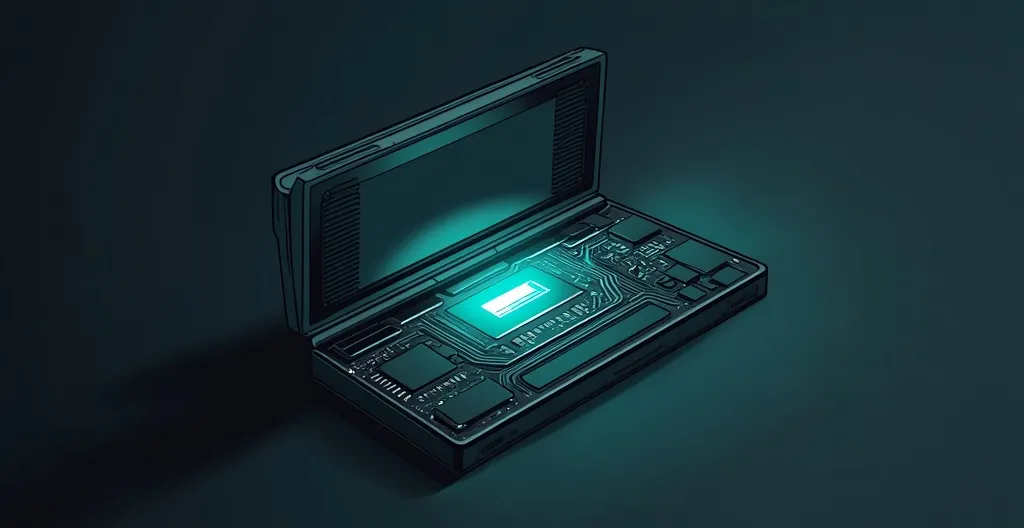
Hardware wallets are designed to keep private keys separate from internet-connected devices. But according to Trezor’s investigation update, the implants were extra circuit boards fitted between a Safe 5’s main board and its screen. They monitored communication between the device’s microcontroller and display.
Trezor says the implants recognized recovery words and passphrases shown on the screen, encrypted the information, and sent it over a mobile network to a server controlled by an attacker. If no connection was available, an implant stored the data and tried again later. Trezor has reported these technical findings, but has not identified who installed the implants or controlled the receiving server.
Trezor says the implants did not alter the wallet’s firmware or Secure Element, a security component inside the device. That still leaves a serious risk: someone with a recovery phrase may be able to restore the wallet elsewhere and access its funds.
Trezor’s embedded engineering team examined the first reported device in its lab. The company identified implants in two more devices from photos their owners supplied. Trezor says there were no obvious external signs of tampering and warns that opening a wallet can damage it. A well-made implant may also be hard to spot in photos alone.
What the firmware update does and does not do
Trezor released firmware version 2.13.1 on Nov. 11, 2026, and published its investigation update the next day. The company says the update changes the order of commands sent to the screen, disrupting the trigger sequence used by the implants it identified.
The update addresses that specific implant behavior. It does not provide a general guarantee against hardware tampering, and it cannot erase information that may have been captured before installation.
“If you bought from CryptoBilis, you should still move your funds to a new wallet with a new seed, ” Trezor said.
Customers who think their recovery phrase may have been exposed should create a new wallet with a new seed on a trusted device, then transfer their funds. They should not reuse the potentially compromised seed or enter it into a CryptoBilis device. Trezor also advises customers who have not set up a CryptoBilis device not to do so or enter an existing wallet backup.
Three identified devices, 48 buyers in contact
The three affected Safe 5 devices were bought between Aug. 20 and Sept. 23, 2026, through CryptoBilis’s Tokopedia and Shopee stores or directly from the reseller. Trezor says 48 CryptoBilis buyers have contacted the company since it asked customers to get in touch in October. That is not a count of affected wallets. Trezor has not said how many of those buyers’ devices it has examined or how many devices CryptoBilis sold.
Trezor says its examinations of other devices found no evidence of tampering. It also reported no implants in inspections of wallets from other regional resellers and no confirmed implant in another Trezor model. The company says no customers had reported losing funds. That means no losses had been reported to Trezor, not that it has ruled out every possible theft.
The investigation has not established who installed the implants, whether anyone accessed or used the captured information, or how the devices entered CryptoBilis’s supply chain. Trezor has not confirmed implants outside CryptoBilis, but its findings do not prove that no other affected devices exist. The supply-chain risks for other Trezor devices remain an open question.
Trezor’s reseller changes
Trezor removed CryptoBilis as an authorized reseller on Oct. 9, 2026, after reports of tampered Ledger wallets sold through the business. The company issued its first warning about a suspected Trezor implant on Oct. 30.
The company says it has reduced its reseller network by roughly 80% and set stricter requirements for remaining partners covering device sourcing, storage, and access. Trezor has not explained what the 80% figure measures, whether it refers to the number of partners, geographic coverage, or something else.
Trezor called the resellers it removed trustworthy and said they posed no immediate threat, while also saying they failed to meet its new handling requirements. That distinction does not explain how the tampered devices reached the market. The supply-chain question remains unanswered.
Replacement options and support safety
Trezor says customers who bought a device from CryptoBilis from March 2026 onward qualify for a replacement, even though it identified the three affected devices as purchases made later that year. Depending on shipping restrictions, options may include a different model with the price difference refunded, delivery to an address in another country, or a refund.
Keep the device and contact Trezor Support to discuss eligibility and next steps. Don’t open the wallet to inspect it yourself. Trezor also warns that scammers may impersonate support staff. Its employees will never ask for your recovery phrase. Anyone asking for those words wants access to your funds.
Key questions and answers
-
What information could the implants capture?
Trezor says they could capture recovery words and passphrases shown on the Safe 5’s screen, then send the data to a server controlled by an attacker.
-
Does firmware 2.13.1 make an exposed recovery phrase safe?
No. Trezor says the update blocks the implant behavior it identified, but cannot undo information captured before installation.
-
What should CryptoBilis customers do?
If a recovery phrase may have been exposed, create a new wallet with a new seed on a trusted device and transfer the funds. Keep the CryptoBilis device and contact Trezor Support about replacement or refund options.
-
What remains unknown?
Trezor has not identified who installed the implants, whether captured information was used, or how the devices entered the reseller’s supply chain. It has not confirmed implants outside CryptoBilis.