Trezor says it found an added circuit board in three Safe 5 wallets sold by former authorized reseller CryptoBilis. The implant could copy recovery information shown on the device and try to send it to an attacker. Trezor has not established whether any data reached the server or was used.
- One device was examined in Trezor’s lab; two others were identified from customer photographs.
- The implant sat between the wallet’s main board and display, outside the normal firmware and Secure Element path.
- Firmware 2.13.1 reportedly blocks the specific implants Trezor identified, but cannot make previously copied recovery information safe.
- Anyone whose recovery information may have been exposed should create a new wallet on a clean, trusted device and move funds.
How the implant worked
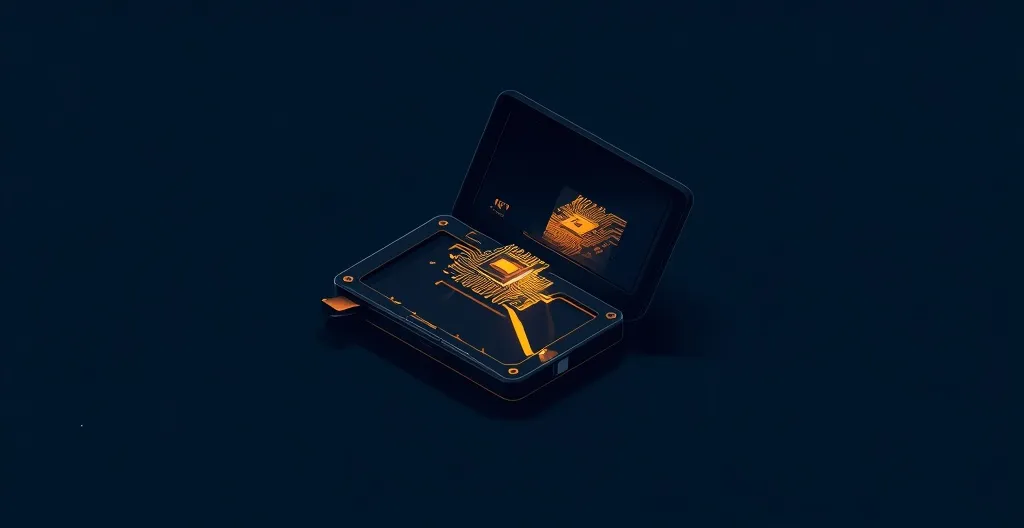
According to Trezor’s investigation, the implant was a small circuit board fitted between the Safe 5’s main board and screen. It could read data sent to the display, recognize recovery words shown there, and copy a passphrase if the user displayed it on the device. That information could include words shown during wallet setup or recovery.
Trezor says the implant encrypted the captured information and tried to send it over a mobile network to a server controlled by an attacker. If there was no connection, it stored the data and tried again later. The company has not identified the attacker or server, or said whether any transmission succeeded.
The implant did not replace the firmware or alter the Secure Element, Trezor says. That does not mean the device was safe. The added board reportedly made a separate copy of information sent to the screen. An authentic security component cannot, by itself, prove that every other connection inside a device is untampered.
Trezor released firmware version 2.13.1 on Nov. 11, 2026. The company says the update prevents the implants it identified from capturing information on devices running that version. The implant operated outside the normal firmware-controlled path, but Trezor has not published the technical details of how the update defeats it. The claim applies to the specific implants identified, not every possible form of hardware tampering.
Three reported cases, with important limits
Trezor says the three Safe 5 devices were bought between Aug. 20 and Sept. 23, 2026, through CryptoBilis’s Tokopedia and Shopee stores or directly from the seller. The company examined one device in its laboratory and identified two others from customer photographs. The evidence differs, but Trezor described all three devices as containing the implant.
The first report came on Oct. 28, 2026, from an Indonesian customer who said they had bought the Safe 5 through CryptoBilis’s Tokopedia store in August. Trezor’s initial public warning followed on Oct. 30, before the reported device had reached its laboratory.
Trezor had removed CryptoBilis from its authorized reseller list on Oct. 9, 2026, after Ledger began investigating losses involving customers of the same seller. Trezor made that decision before receiving its first report about an implanted Safe 5. The timeline does not establish who altered the devices or whether the incidents involving the two wallet makers were connected.
By Nov. 12, 2026, Trezor said 48 customers had contacted it. That figure counts customer contacts, not confirmed implants. Trezor also said other devices it examined, including devices supplied by other resellers in the region, showed no evidence of similar tampering. The company has not disclosed how many devices it checked or how many may have been exposed.
All three reported implants were in Safe 5 devices. Trezor has not confirmed similar modifications in another model or through another reseller. Its replacement assistance covers a wider group: any Trezor model bought from CryptoBilis from March 2026 onward. That broader eligibility is a precaution, not evidence that every eligible device was compromised.
Why an update may not be enough
A recovery backup, the words that can restore wallet access on another compatible device, remains useful to anyone who has copied it. Updating firmware, changing a PIN, or replacing the hardware does not revoke that backup. Restoring the same wallet on a new device carries the same exposure with it.
If recovery information may have appeared on a potentially affected device, Trezor advises creating a new wallet with new recovery information and moving funds to it. Use a clean, trusted device, not hardware you suspect may be compromised, and follow Trezor’s official migration guidance. A replacement device does not move funds automatically.
If you have not initialized a potentially affected device, leave it unused and contact Trezor support. If you used it to display recovery words or a passphrase, treat that information as potentially exposed and get guidance on moving funds to a new wallet.
As of its Nov. 16, 2026 update, Trezor said none of the owners of the three identified devices had lost funds and that no customer had reported an implant-related loss to the company. That is the company’s reported status, not proof that no information was copied or that no loss occurred. Trezor says it cannot see customers’ wallet balances.
What buyers should do
- Bought any Trezor model from CryptoBilis from March 2026 onward? Contact support through Trezor’s official website about replacement assistance. Depending on shipping restrictions, Trezor says it may offer another model with a refund of the price difference, delivery to an address in another country, or a refund.
- May your recovery information have been exposed? Create a new wallet with new recovery information on a clean, trusted device, then move your funds according to Trezor’s official guidance.
- Have an unused device that may be affected? Do not initialize it. Leave it unused and contact official support.
- Received an unexpected replacement or refund offer? Verify it through Trezor’s official website. Never disclose your recovery phrase or passphrase. Trezor says, Trezor will never ask for it.
Do not try to diagnose a suspicious wallet by weighing or opening it. Trezor warns that weight differences can have other causes and that visual inspection cannot reliably confirm or rule out an implant. The company has also warned that scammers are using the incident to make fake support and replacement offers. A request for your recovery words is a theft attempt, not legitimate security assistance.
Reseller controls and unanswered questions
Trezor says it cut about 80% of its reseller network and tightened requirements for sourcing, storage, and access to stock. The company has not described the removed partners as additional suspects, and the figure does not establish that those resellers were involved. Trezor has not specified the network’s baseline, when the reduction took place, or the detailed requirements for remaining sellers.
The case highlights a limit of buying through an authorized channel: reseller approval alone does not establish what happened to a device during sourcing, storage, handling, and delivery. Trezor says it is working with SEAL 911, the Security Alliance’s emergency-response service, and that the customer who first reported the implant will receive a reward. The company has not disclosed the amount. Trezor has also withheld some technical details, saying their release could help attackers or endanger affected customers.
Key questions and answers
-
How many implanted devices has Trezor reported?
Three Safe 5 devices sold by CryptoBilis: one examined in Trezor’s lab and two identified from customer photographs. The company has not published a complete count of devices that may have been exposed.
-
Does firmware 2.13.1 protect recovery information that may already have been copied?
No. Trezor says the update blocks the implants it identified from capturing information on updated devices, but it cannot make a previously copied recovery backup secret again.
-
Does the replacement offer mean every CryptoBilis wallet was compromised?
No. The offer covers any Trezor model bought from CryptoBilis from March 2026 onward, while the three reported implants were all in Safe 5 devices. Trezor has described the broader eligibility as a precaution.