Ukraine’s crypto bill has cleared a parliamentary committee, but the country’s central bank says the draft still needs changes. The dispute centers on who would supervise digital assets, how foreign tokens would be treated, and how tightly authorities should control access to the market.
- Committee action: Draft law No. 10225-d was recommended for a second reading and adoption as a whole.
- NBU position: The central bank supports regulation but opposes the current draft.
- Proposed start: If passed, the rules would take effect on July 1, 2027.
Ukraine’s crypto bill advances, but the NBU objects
On November 4, Ukraine’s Verkhov Rada Committee on Finance, Tax and Customs Policy recommended draft law No. 10225-d for a second reading and adoption as a whole. Twenty committee members voted in favor, according to Unchained, whose report Yahoo Finance republished.
The recommendation moves the bill forward, but does not make it law. The full parliament still had to consider the proposal. At the time of Unchained’s report, lawmaker Yaroslav Zhelezniak said a plenary vote was planned for November. The report did not confirm whether the vote took place.
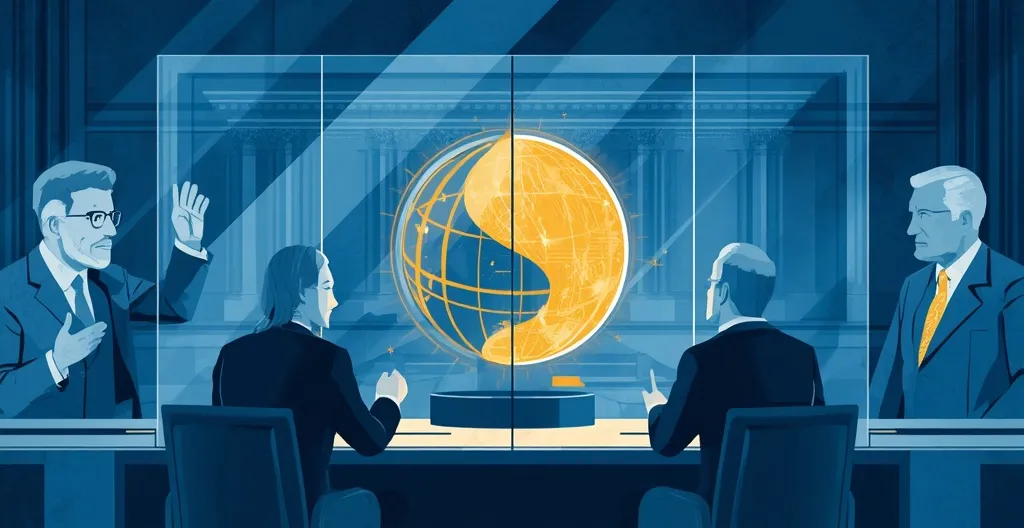
The bill passed its first reading on September 3, 2025. Under the committee-backed draft, the National Securities and Stock Market Commission of Ukraine (NSSMC) would lead oversight of the crypto market. The National Bank of Ukraine (NBU) would oversee electronic-money tokens, digital tokens that fall under the rules for electronic money.
If parliament passes the bill, the proposed regime would take effect on July 1, 2027. Until then, Ukraine’s regulatory direction remains a proposal, not an operating framework.
The central bank supports regulation, not this version
The NBU supports regulating virtual assets and has endorsed an approach based on the European Union’s Markets in Crypto-Assets framework, known as MiCA. It objects to the text currently before lawmakers, while supporting regulation in principle. U.S. crypto regulation is also advancing through multiple institutions, though the legal systems and approaches differ.
In a statement on November 4, the NBU said it could not support the draft without changes. It warned that foreign tokens functioning like electronic money could reach Ukrainian users without adequate supervision in the countries where they are issued. The bank also said different rules for foreign and domestic assets could create opportunities for regulatory arbitrage.
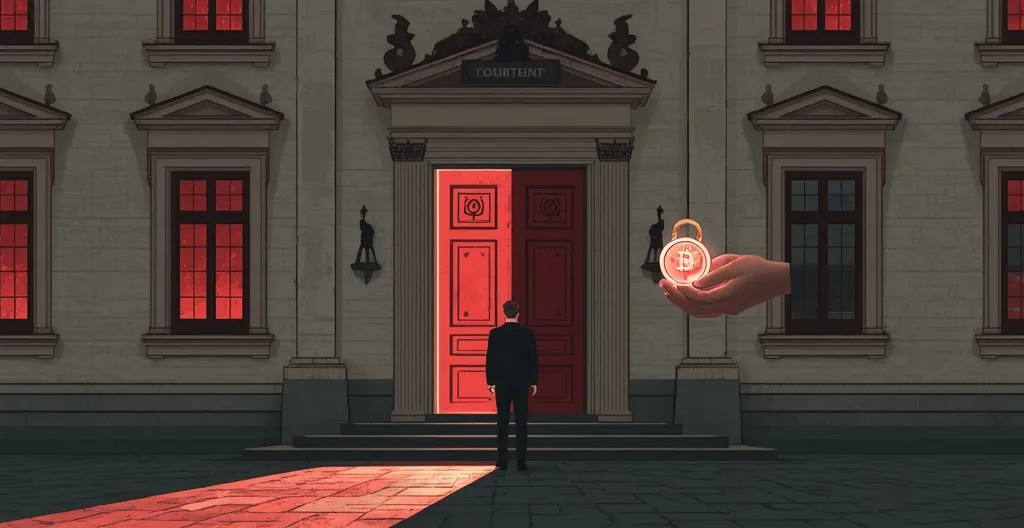
The bank’s concerns also cover market entry. Formal talks between India’s parliament and crypto businesses offer another example of policymakers engaging with the sector. Licensing crypto platforms can help screen operators and set minimum standards, but the rules need to make clear who qualifies and how many firms can operate. The NBU warned that the draft could give the NSSMC too much discretion over licensing, raising the risk of market concentration and corruption.
Unchained reported that the NBU initially sought to avoid setting a numerical limit on platforms that met the requirements. It later accepted a proposal for a first stage in which three companies would be selected through a competitive process. The NBU said the final draft did not clearly state how many operators could enter during the first five years, leaving that decision to the NSSMC.
This is a narrower dispute than a simple argument over whether crypto firms should need licenses. The question is how licensing would work, and whether the law would limit regulators’ discretion enough to keep market access fair and predictable.
A dispute over process as well as policy
The NBU also questioned how the bill was prepared. It said it received the final text late on November 3 and argued that the drafting process lacked sufficient transparency. According to the bank, compromises reached during a working group were missing from the version sent to parliament.
These statements reflect the NBU’s position. They are not an independent finding that the drafting process was improper. Still, a late-stage disagreement between the central bank and the proposed lead regulator matters. If lawmakers pass a framework that agencies interpret differently, businesses could face uncertainty over basic questions of supervision and licensing.
The next test is whether parliament considers the bill and whether lawmakers address the NBU’s objections. A functioning framework could give crypto businesses clearer rules and users more consistent protections. But regulation is not automatically good simply because it exists. Vague licensing powers or poorly coordinated oversight can entrench incumbents instead of creating a fair market. The U.S. Senate Banking Committee’s work on the CLARITY Act reflects a similar challenge: turning broad demands for regulatory clarity into rules that work in practice.
Key questions and answers
-
Has Ukraine passed the crypto bill?
No. A parliamentary committee recommended draft law No. 10225-d for a second reading and adoption as a whole, but that is not final passage.
-
Which Ukrainian regulator would oversee crypto markets?
The draft gives the lead role to the National Securities and Stock Market Commission. Under the committee-backed text, the NBU would oversee electronic-money tokens.
-
Why does the NBU oppose the current draft?
It says the rules for foreign electronic-money tokens need strengthening and the licensing framework could give regulators too much discretion over which platforms may operate. The bank also criticized the drafting process. The NBU’s refusal to back the bill centers on those concerns.
-
When could the proposed rules take effect?
If parliament passes the bill, the draft sets July 1, 2027, as the proposed application date.